
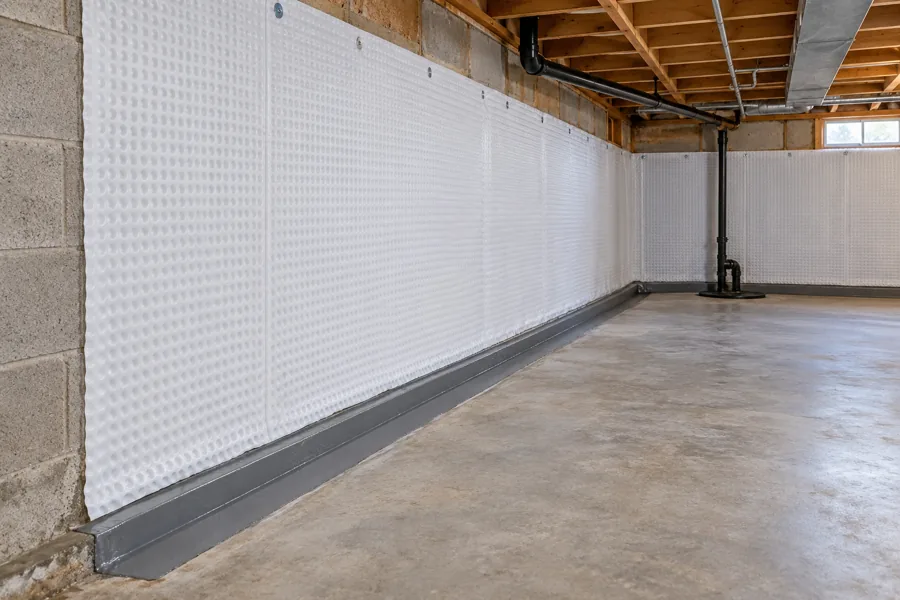
Basement Wall Waterproofing
Water spreads beneath flooring before it becomes visible. Basement wall waterproofing and a drainage plan address the entry route, then direct collected water toward a working discharge point.
Explore serviceWater at the floor-wall seam. A sump pump that can’t keep up. A damp, musty basement after every thaw. Minneapolis PureSeal traces where the water enters and builds a repair plan around your basement, from a single leaking crack to a drainage system that needs attention.
Call (612) 457-0860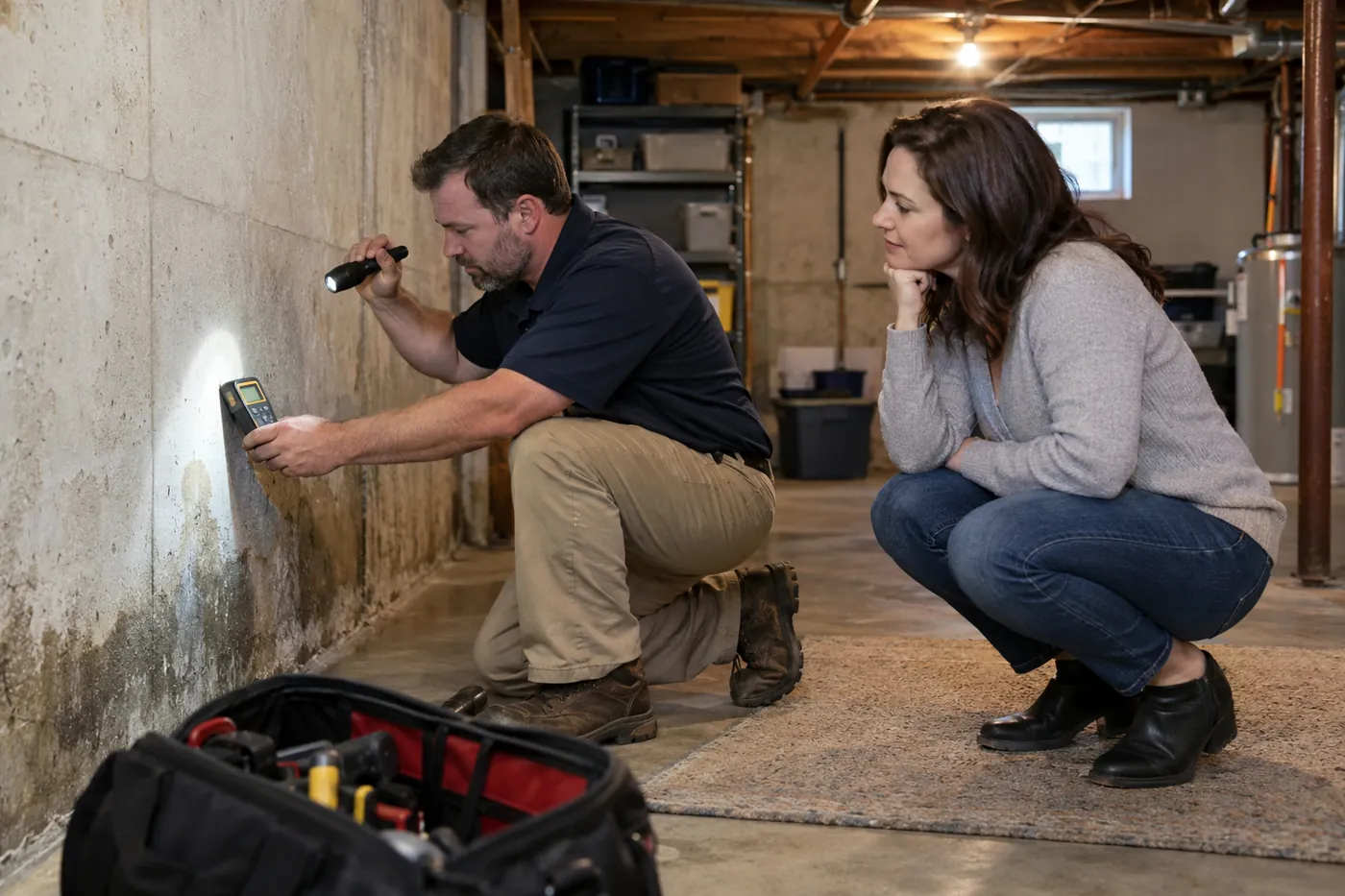
A puddle doesn’t always reveal its source.
After a thaw, you might notice a wet line at the bottom of a wall, paint lifting from concrete, or white chalky deposits left behind as moisture dries. A musty smell often arrives before visible water does. Check behind boxes and unfinished wall edges for hidden dampness.
Water enters through wall cracks, pipe penetrations, window wells, or the joint between the slab and foundation. Saturated soil also pushes water up beneath the floor. Wet basement repair starts with separating these routes, because sealing one visible spot will not collect water moving under the slab.
Look at when the problem appears. A leak during hard rain suggests a different path from a puddle that grows days after snow melts. Photos, timing, and the pump’s behavior help narrow the search. Basement seepage repair should follow that evidence, with a plan that explains what will be sealed, what will be drained, and where the water will discharge.
Waterproofing services for the walls, floor, and drainage around your home.
Water spreads beneath flooring before it becomes visible. Basement wall waterproofing and a drainage plan address the entry route, then direct collected water toward a working discharge point.
Explore service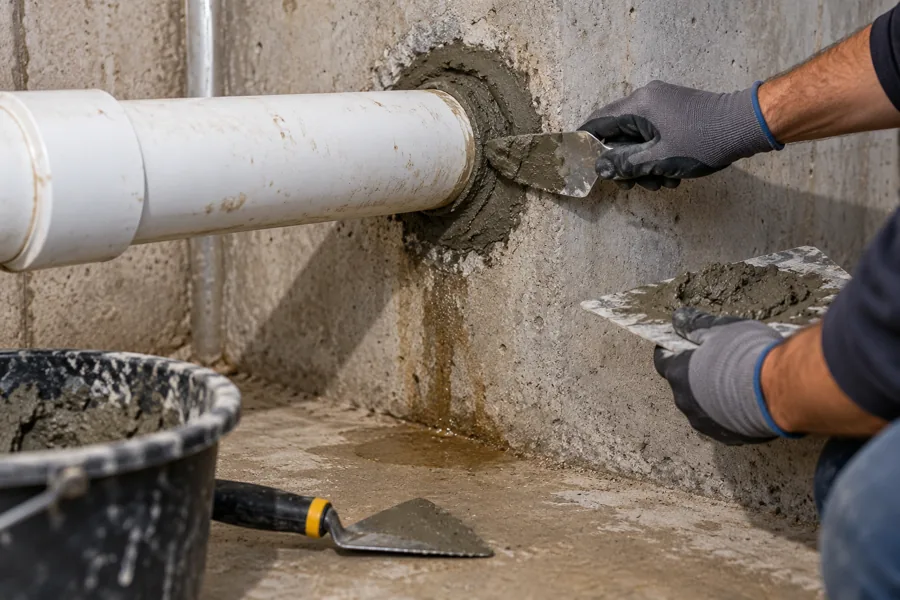
A damp patch after rain often starts at a pipe opening or wall joint. Basement leak repair traces that patch to its source. The opening is then sealed with a method suited to the wall material.
Explore service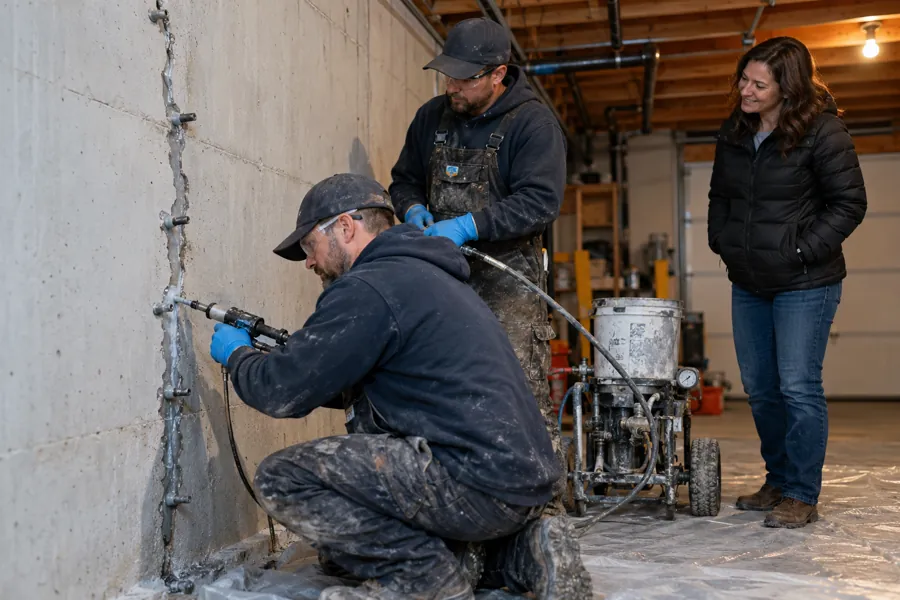
A wall crack carries water inside. Basement crack repair and foundation crack sealing close suitable leak paths; the wall material and crack condition determine the sealing method.
Explore service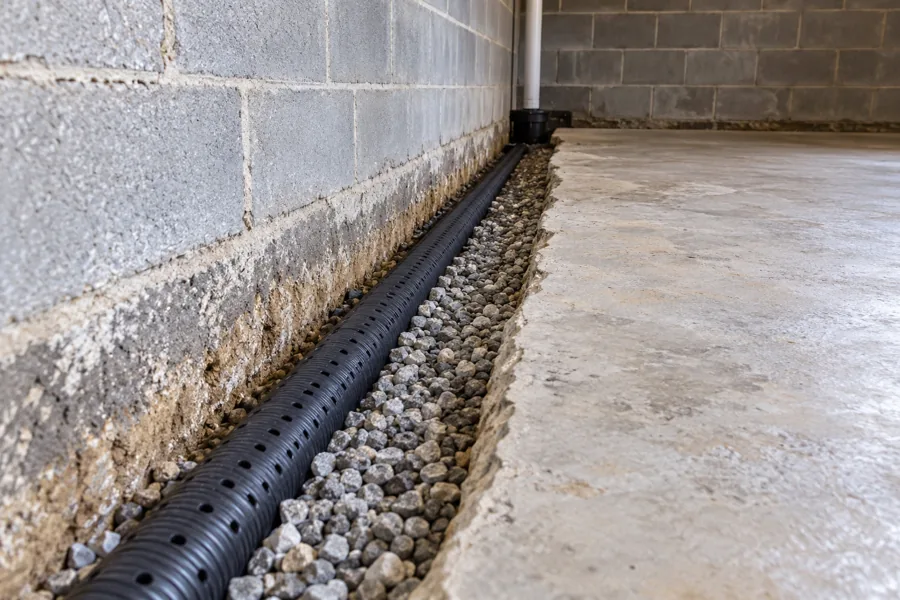
Water at several floor edges needs a collection route. Interior drainage system installation creates that route beneath the slab and connects it to a sump basin, with maintenance access.
Explore service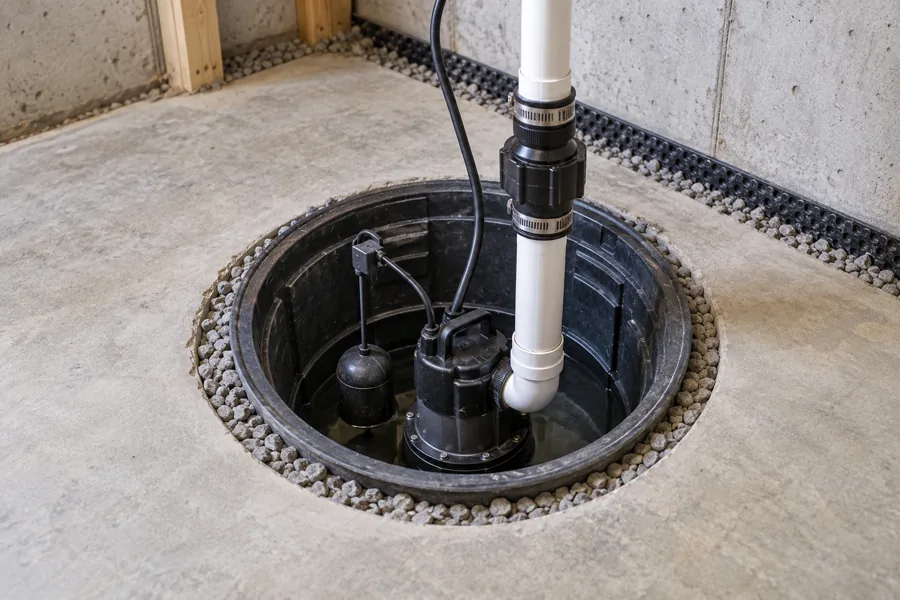
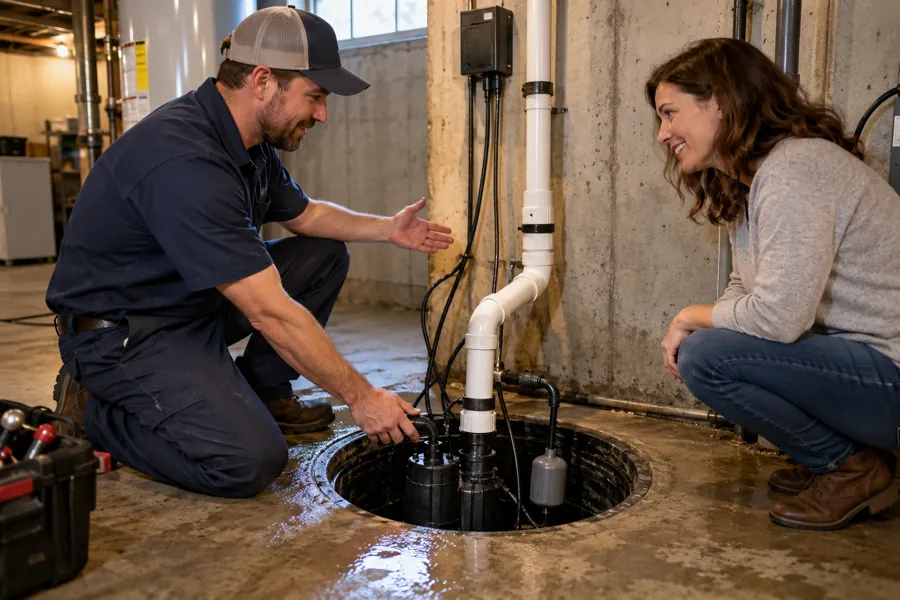
A pump that hums, short-cycles, or leaves water in its basin needs attention. Sump pump installation sizes the basin and discharge together; sump pump repair checks the switch, check valve, and blocked outlet.
Explore service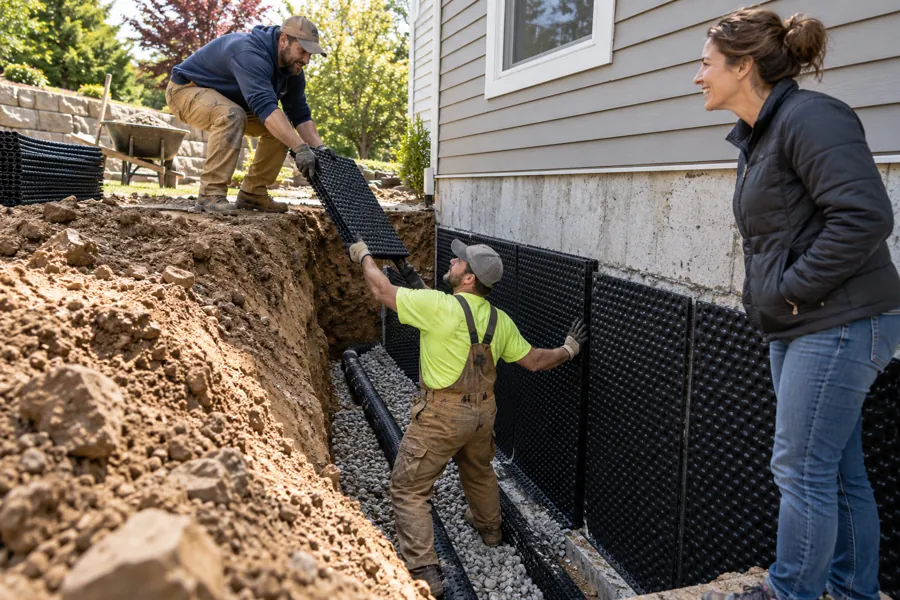
An exterior membrane limits water entry at the buried wall surface. Below-grade waterproofing requires excavation, wall preparation, and a suitable outlet.
Explore service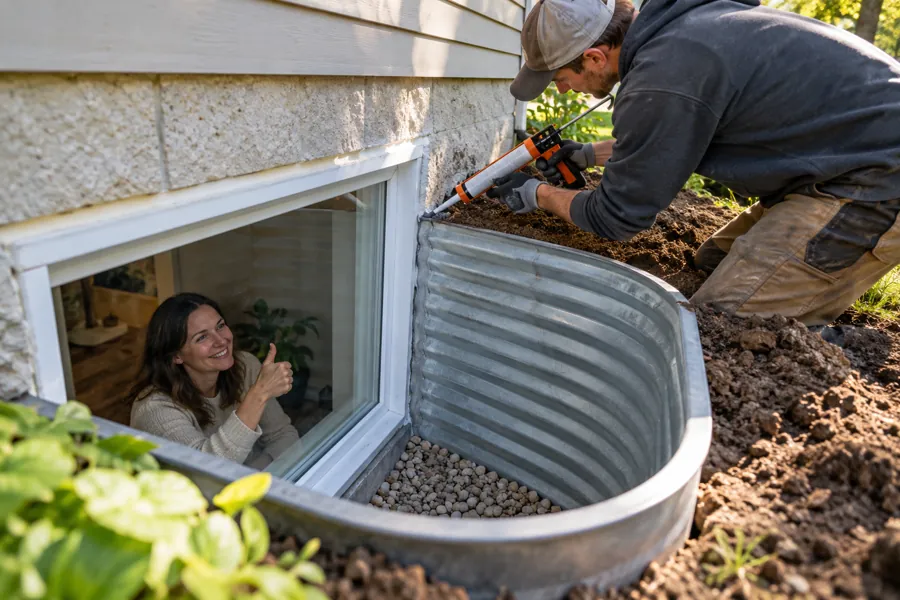
Collected rain or snowmelt pushes past gaps around a window frame. Window well drainage gives that water a path away; a fitted cover helps keep leaves and snow out.
Explore service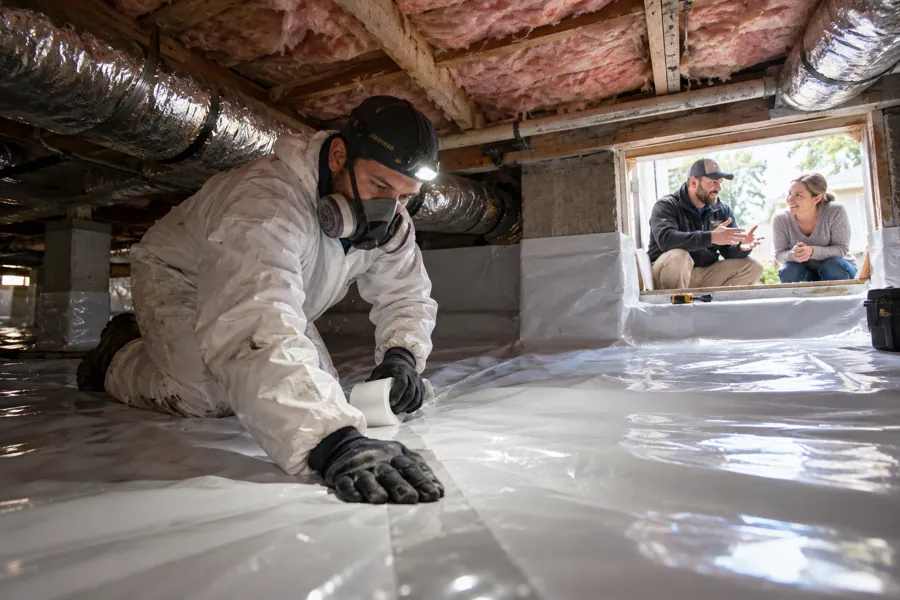
Exposed ground beneath the house releases moisture into the air above it. Crawl space vapor barrier installation covers that source, while sealed seams and moisture-control equipment help manage the enclosed space.
Explore service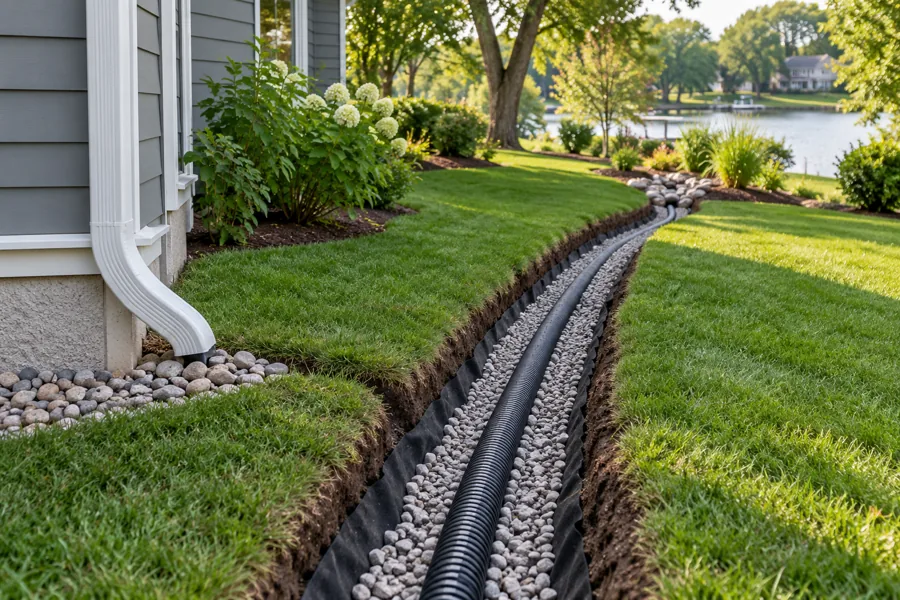
Standing water beside the house often begins with slope or discharge problems. French drain installation and exterior foundation drainage redirect runoff when the yard has a suitable outlet and enough fall.
Explore service
Stains alone do not show which repair is needed. An inspection checks entry points, pump, discharge, and access before a plan is written.
Explore serviceTell us where you’re seeing water.
Call (612) 457-0860Our soil, older masonry, and long winters all shape the route water takes.
Minneapolis waterproofing starts with the house and the ground around it. A wet floor results from surface runoff, trapped meltwater, or groundwater that stays high well after a storm. These conditions often overlap, so a useful plan checks both sides of the wall before choosing a repair.
Loose backfill beside a foundation holds water against the walls instead of letting it drain away. Saturated clay pushes on block walls and keeps small openings wet. A low patch beside the house or a downspout ending near the wall adds more water to that pocket. Surface grading and a clear discharge route matter alongside any wall treatment. Checking the yard during rainfall can show where water gathers before it reaches the foundation.
Meltwater sits above still-frozen ground with few places to go. Pressure builds beside and beneath the foundation, then water moves through the cove joint where the floor meets the wall. Minneapolis frost depth is 42 inches, and dozens of freeze-thaw cycles each winter make drainage conditions change over time. A sealed surface alone does not relieve water pressure below the slab.
Older brick and stone foundations in Longfellow, Powderhorn, Nokomis, and Northeast develop leaks through worn mortar joints. Water follows gaps between the masonry units, so the joints need to be checked as well as visible cracks. In 1940s–50s block-wall homes in south and southwest Minneapolis, water collects inside hollow block cores and travels before emerging at a joint or the floor edge. Foundation leak repair must suit the wall material and the route water takes.
Groundwater near the Mississippi River and Minnehaha Creek can keep a sump pump busy without fresh rain. A constantly running pump needs a check of basin inflow, switch movement, discharge distance, and possible recirculation. Water sent too close to the house returns to the same basin. A backup plan also matters when the pump is carrying that steady load during an outage.
The timing of a leak gives useful clues. Note the weather, the pump’s sound, and the first place water appears.
A frozen sump discharge line stops water leaving the house even while the pump runs. Repeated operation against a blocked line strains the pump and contributes to burnout. An outage leaves the pump idle without battery backup. Check that setup before the basin is under load.
Snow can also melt inside an egress window well while nearby soil remains frozen. Keep the well clear and check that its drain has somewhere to send that water. An outside cover cannot correct a blocked drain beneath it.
Minneapolis doesn't allow sump pumps or downspouts to drain into the sanitary sewer, so discharge has to go to the yard or another approved outlet.
The spring thaw typically arrives in late March into April. Cove joint seepage often shows up as meltwater collects around the foundation. Sediment and roots clog old clay tile, leaving water beside the footing. Flooded window wells and downspouts dumping water at the foundation add separate routes into the same basement.
Walk the outside during a thaw if conditions allow. Look for standing water, disconnected extensions, and discharge returning toward the house. Basement flood prevention depends on maintaining those outlets as well as the equipment indoors.
Use these planning ranges to compare the scale of different repairs. They are not a price for a specific house.
A single accessible crack is a different job from collecting water along several finished walls. Interior work includes opening a strip of concrete floor, protecting belongings, or working around utilities when the repair requires it. Exterior work adds excavation and access questions before a membrane reaches the buried wall.
| Service | Typical Range | What Changes the Price |
|---|---|---|
| Foundation crack injection | $400–$1,000 per crack | Crack length, wall type, access |
| Sump pump installation | $1,200–$2,500 | New basin vs. replacement, discharge line work |
| Battery backup sump pump | $800–$1,800 | Pump capacity, battery type |
| Interior drain tile | $70–$120 per linear foot | Floor removal, finished walls, number of walls |
| Exterior excavation waterproofing | $15,000–$35,000+ | Depth, landscaping, decks or driveways in the way |
| Window well drain and cover | $400–$2,000 | Drain tie-in, well size, cover type |
| Crawl space encapsulation | $5,000–$15,000 | Square footage, existing moisture, dehumidifier |
Prices depend on wall type, access, and where the water is coming in; call for a price on your basement.
Ask what the written price includes: floor opening and patching, basin installation, discharge routing, wall preparation, and cleanup. Finished rooms, narrow side yards, or a deck above the leaking wall can change how the work is reached. A pump replacement may reuse an existing basin, while a new system may need a basin and an outside outlet.
The repair plan should connect each cost to a specific water path. Discuss how collected water leaves the property and what maintenance is needed. That makes the scope easier to compare without assuming every damp basement needs the largest project.
Call (612) 457-0860Tell us when it appears, where you first see it, and what your pump is doing. Mention finished walls or access restrictions.
A waterproofing inspection examines visible wall and floor entry points, sump equipment, and outside drainage. This connects symptoms to a water path.
The plan describes the proposed fix and price. It should identify the work area, discharge route, and any preparation needed before work begins.
The agreed repair is installed, sealed, or connected. You can review how the system operates, what to keep clear, and what signs to watch for afterward.
Pick the method by where water enters and what's in the way.
Interior drain tile plus a sump pump collects water entering at several floor edges or rising beneath the slab. The system collects water inside the foundation footprint and pumps it to an outside discharge. It suits places where decks, driveways, or neighboring structures restrict exterior access. It still needs a working pump, power, and an outlet that stays clear.
Exterior excavation exposes a buried wall so a membrane treats its soil-facing surface. The wall must be exposed, prepared, and connected to a drainage plan. This approach involves disturbing the ground beside the house, so landscaping, buried utilities, and excavation depth affect the decision.
Exterior work becomes harder once the ground freezes because digging and surface preparation are limited by conditions. Interior work proceeds when the entry points are accessible and the discharge route is usable. Bentonite injection is an option for some fieldstone and rubble foundations; suitability depends on the masonry, surrounding soil, and actual leak path.
Minneapolis PureSeal serves Minneapolis and the surrounding area. Soil conditions vary across the metro, and individual lots can differ from the neighborhood around them. Tell us your city and what happens after rain or thaw so the discussion starts with your house.
These groups are a starting point for local drainage conditions. The slope beside your wall, the foundation material, and the discharge outlet still need to be checked on site. Choose your city, or call about nearby locations.
Water at that seam often comes from pressure beneath or beside the foundation. The cove joint meets the floor and wall, so groundwater can emerge there when soil is saturated. Check whether several edges are wet and whether the sump is operating. A collection system may be needed instead of a surface patch alone.
Groundwater can keep entering the basin long after rain stops. Snowmelt, a high water table, or discharge flowing back toward the foundation can keep the pump active during dry weather. Watch whether water returns immediately after each cycle. Checking the outlet and basin inflow separates groundwater collection from discharge problems or a sticking switch.
White powder is often efflorescence, a mineral deposit left as moisture evaporates from masonry. It shows moisture movement without identifying the entry route or the amount of water present. Note whether the deposit returns after cleaning and whether paint is lifting nearby. The moisture source should be checked before simply repainting the wall.
Many interior repairs can be done in winter if the work area is accessible. Crack sealing, drain tile work, and pump service depend on the wall condition and a usable discharge route. Exterior excavation is more difficult in frozen ground. A frozen discharge line needs attention before relying on the pump to move water outside.
An isolated leaking wall crack may need sealing, while water along multiple floor edges may need drainage. The pattern matters more than the size of the puddle. An inspection should check nearby joints, the sump, and when the leak appears. Some basements have both conditions, so the plan should explain each repair.
A window well fills when incoming water exceeds what its drain can carry away. Leaves, sediment, a blocked tie-in, or runoff from surrounding ground can cause that imbalance. Snowmelt can add water while the ground remains frozen. Check the well’s cover and outside grading, then confirm where its drain leads before choosing the repair.
Encapsulation can reduce ground moisture entering the crawl space, but cold floors may also need insulation and air sealing. A sealed ground barrier addresses moisture rising from exposed soil. Standing water, drainage, and humidity still need separate checks. The plan should describe sealing seams and penetrations, plus any equipment needed after enclosure.
Tell Minneapolis PureSeal where the water appears and when it started. We’ll discuss the next step for your basement, the entry points to check, and the access needed to plan the work.
Serving Minneapolis and the surrounding area. Call (612) 457-0860 to explain what you’re seeing and discuss the next step.
Monday through Friday, 8:00 AM to 5:00 PM
Emergency calls: available 24/7