A line across the floor
A floor crack darkens before water spreads toward stored boxes. High groundwater in low sandy areas puts water beneath the slab. We trace the crack and nearby seam to plan collection.
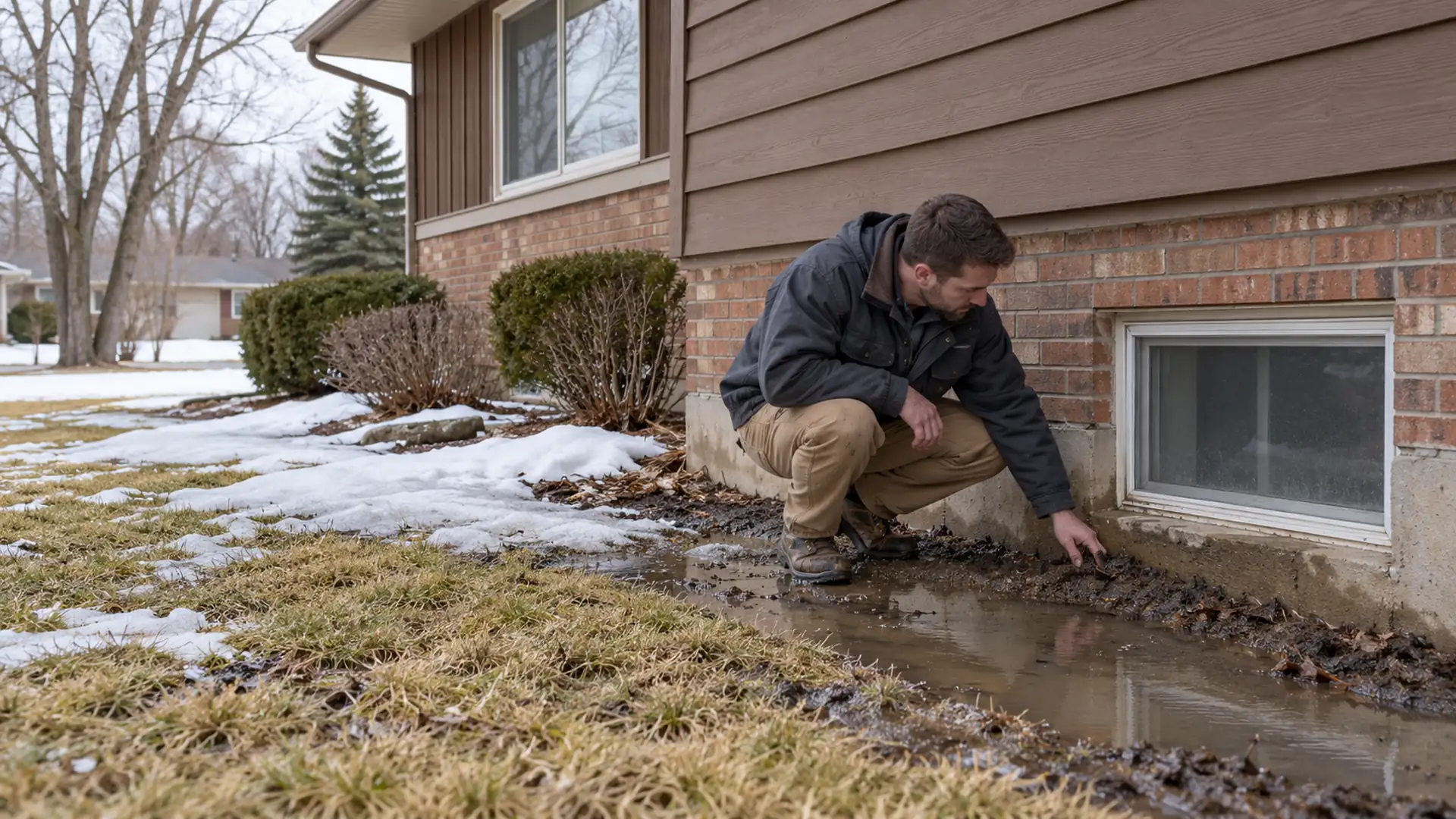
Water appearing through a floor crack after snow melts needs a route beneath the slab. In Coon Rapids, sandy low ground holds groundwater close to basements. We connect the wet floor edge, collection pipe, and pump before choosing the repair.
Call (612) 457-0860A floor crack darkens before water spreads toward stored boxes. High groundwater in low sandy areas puts water beneath the slab. We trace the crack and nearby seam to plan collection.
Water reaches the floor edge while the motor continues running. Spring groundwater fills the low ground around the foundation. The repair connects that water to a basin and an outlet that handle the inflow.
The outside pipe empties beside a small strip of yard. Water returns through sandy soil toward the same foundation. We move the outlet toward a destination that carries discharge away.
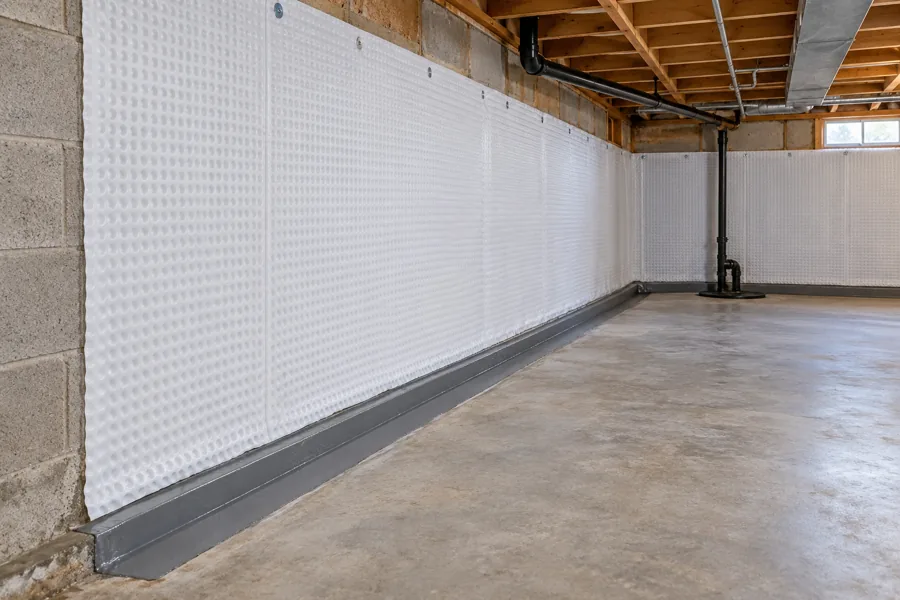
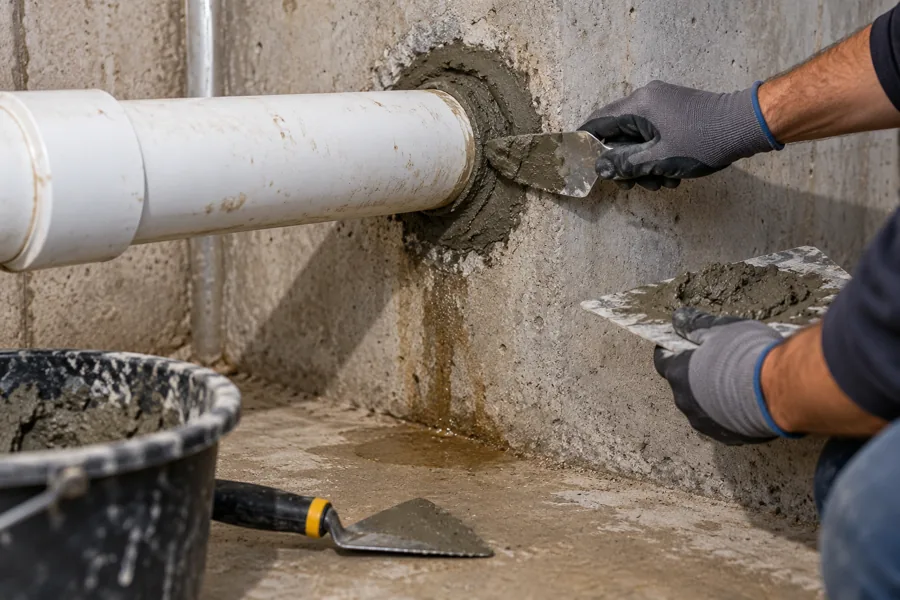
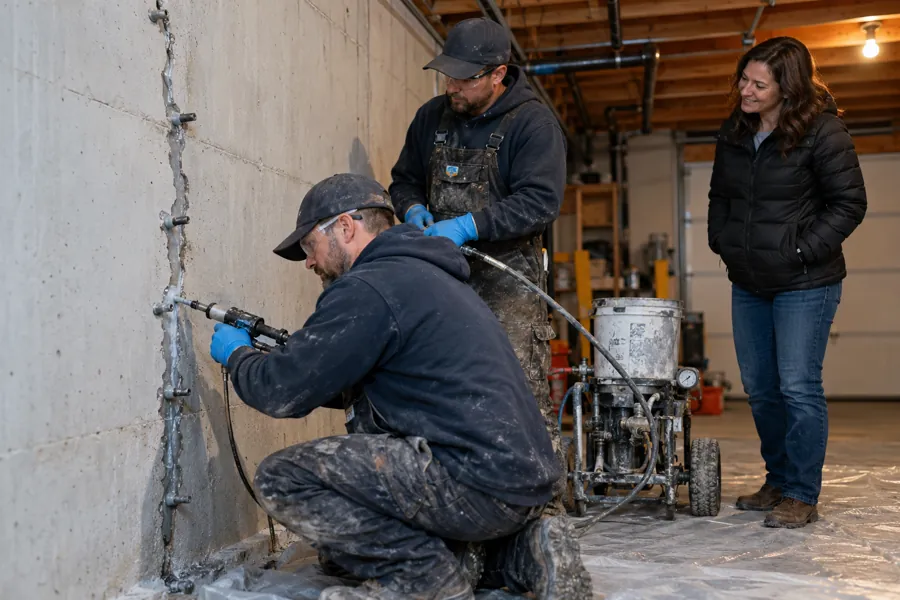
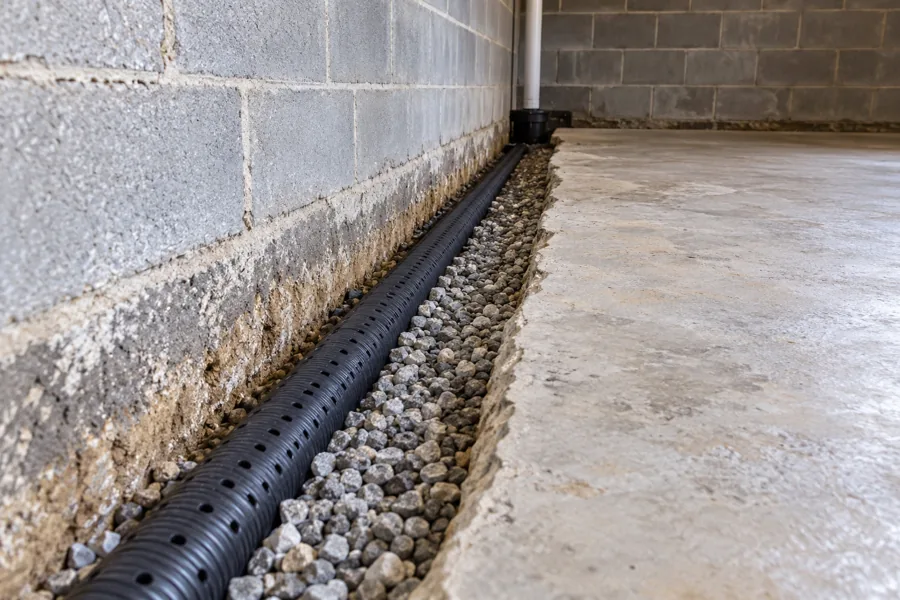
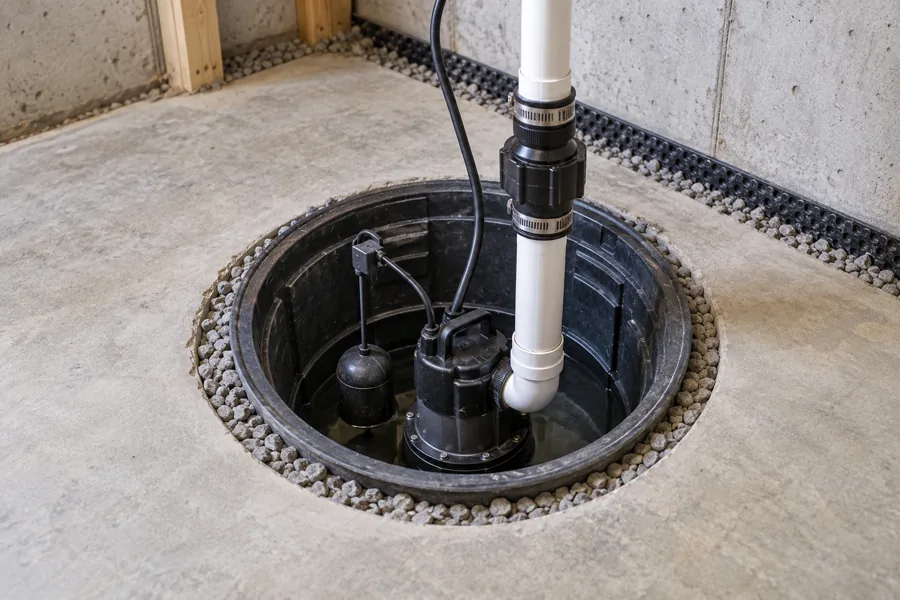
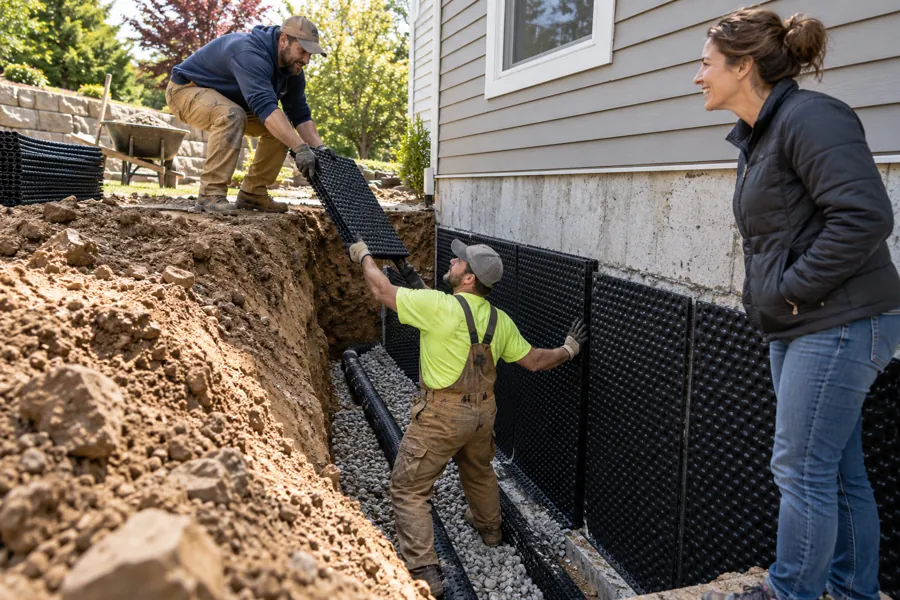
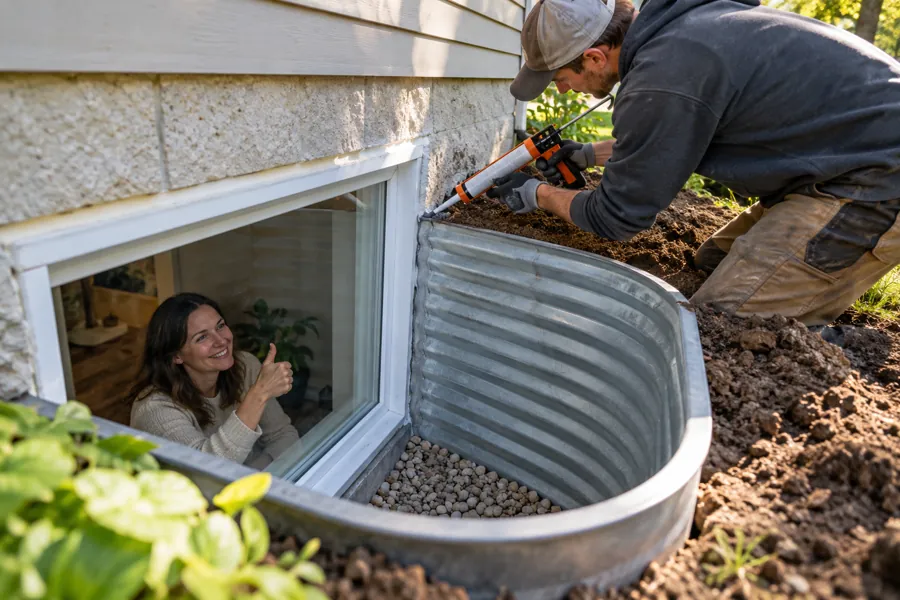
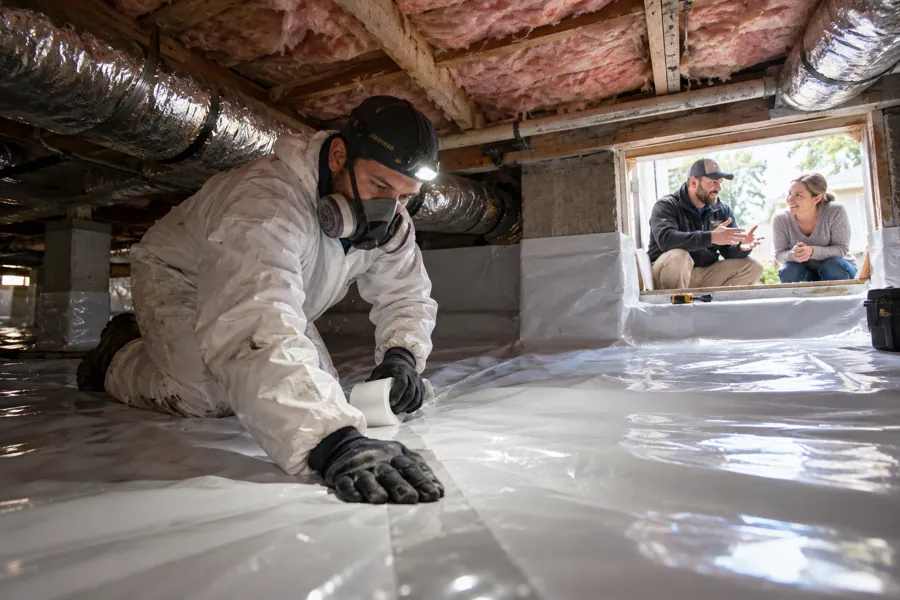
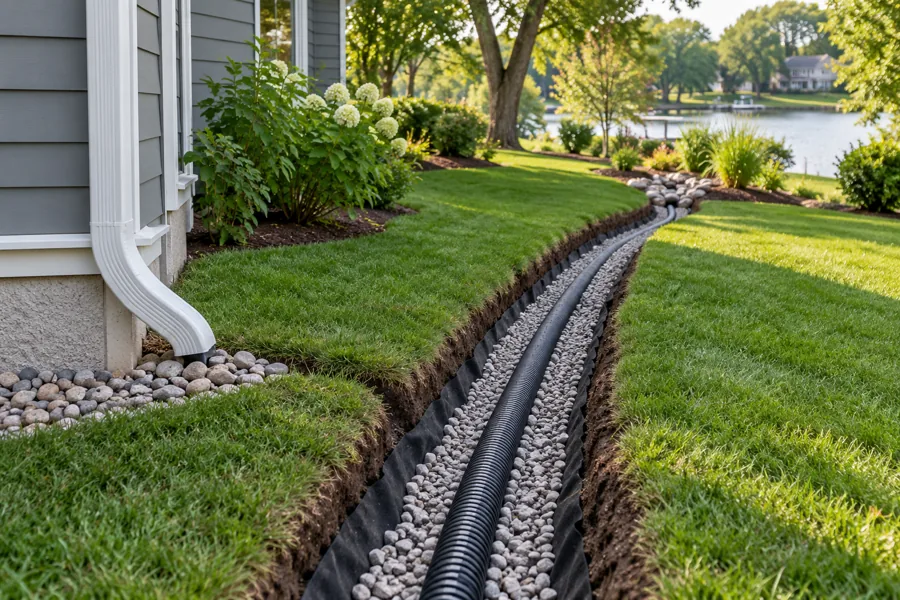
The Mississippi River and Coon Creek are nearby water features across this sandy landscape. Low areas on the Anoka Sand Plain hold groundwater close to the surface. At spring melt, a floor crack or cove joint becomes an entry route. The wet trail beneath stored items helps show where collection should begin.
With water emerging beneath the slab, wet basement repair in Coon Rapids starts along the affected floor edge. A surface patch leaves groundwater without a collection route below it. We check the perimeter connection before opening concrete for new pipe. That keeps the work focused on the sections where water enters.
A basin that fills faster than it empties brings sump pump repair in Coon Rapids into the plan. A blocked intake differs from a pump working against a restricted outlet. We run the switch and check the valve while water moves. Floor seepage needs a collection route beneath the wet slab edge. Cove joint leaks follow the seam where the basement floor meets the wall. Sump pumps move collected groundwater outside through a discharge route that stays clear.
An open wall crack needs a different treatment from a wet slab line. For a leaking wall opening, foundation crack repair in Coon Rapids closes that defined path. Perimeter drain tile collects seepage entering along several edges instead. Sump discharge belongs outside the sanitary sewer, in the yard or another approved outlet.
Many houses here were built from the 1960s through the 1980s. Later floor finishes sometimes cover the seam where spring water first appears. Photograph the wet edge before moving boxes or drying the room. A wide view showing the basin and nearby walls helps explain the collection route.
Before cutting finished flooring, we discuss the narrow strip needed beside each selected wall. Pipe, gravel, and the wall connection go in before concrete is patched. Pump testing follows the collected water through the outside line. Ask which access points remain available after the floor surface is restored.
During a freeze, keep track of whether the outside outlet still releases water when the pump starts.
At late March–April thaw, photograph the floor crack before water spreads across the surrounding slab.
After summer rain, compare roof runoff near the wall with the floor edges that become wet.
Before fall storage covers the perimeter, leave the cove joint and sump lid reachable for inspection.
| Service | Typical Range | What Changes the Price |
|---|---|---|
| Sump pump installation | $1,200–$2,500 | New basin vs. replacement, discharge line work |
| Battery backup sump pump | $800–$1,800 | Pump capacity, battery type |
| Interior drain tile | $70–$120 per linear foot | Floor removal, finished walls, number of walls |
| Window well drain and cover | $400–$2,000 | Drain tie-in, well size, cover type |
A slab crack and a wall crack carry water through different surfaces. We inspect the floor seam and basin before treating a wet slab line. Groundwater beneath several edges needs collection rather than only injection into one opening. The written plan separates floor drainage from sealing a defined crack through the foundation wall.
A busy basin needs a comparison between incoming water and actual pumping output. We measure that load against the discharge height and pipe route. Near Coon Creek, describe what happens during thaw rather than choosing equipment from location alone. A bigger motor still needs an open intake and an outlet that keeps water away.
The discharge needs a destination that carries water beyond the ground returning toward the wall. We review slope and available yard access before extending a pipe. A short outlet that feeds the same wet strip adds work for the basin. The plan names the outside destination without connecting groundwater to the sanitary sewer.
Spring melt leaves groundwater beneath the slab while low ground remains saturated. Summer showers sometimes feed a different route through roof runoff or a window well. Photograph the first mark during each event rather than only the final puddle. We compare those trails before deciding where collection pipe or local sealing belongs.
Busy sumps collect shallow groundwater across low sandy lots near wetlands.
Snowmelt overwhelms drain tile and sends water toward basement floor edges.
We test the float and outside pipe when collected floor water backs up.
A new perimeter route brings slab-edge seepage into the existing collection basin.
Local sealing handles an opening that remains wet outside the floor collection route.
Tell us whether the floor crack, wall seam, or basin gets wet first. We will discuss the route that water needs to leave your basement. Your written plan connects that route to the work and price.
Minneapolis PureSeal
Minneapolis and surrounding area
contact@waterproofingminneapolis.comMonday through Friday, 8:00 AM to 5:00 PM
Emergency calls: available 24/7