A sump that never settles
During a dry week, the pump keeps starting while the yard looks dry. Low sandy ground near wetlands keeps groundwater close to the basin. We separate steady inflow from water returning through the outlet.
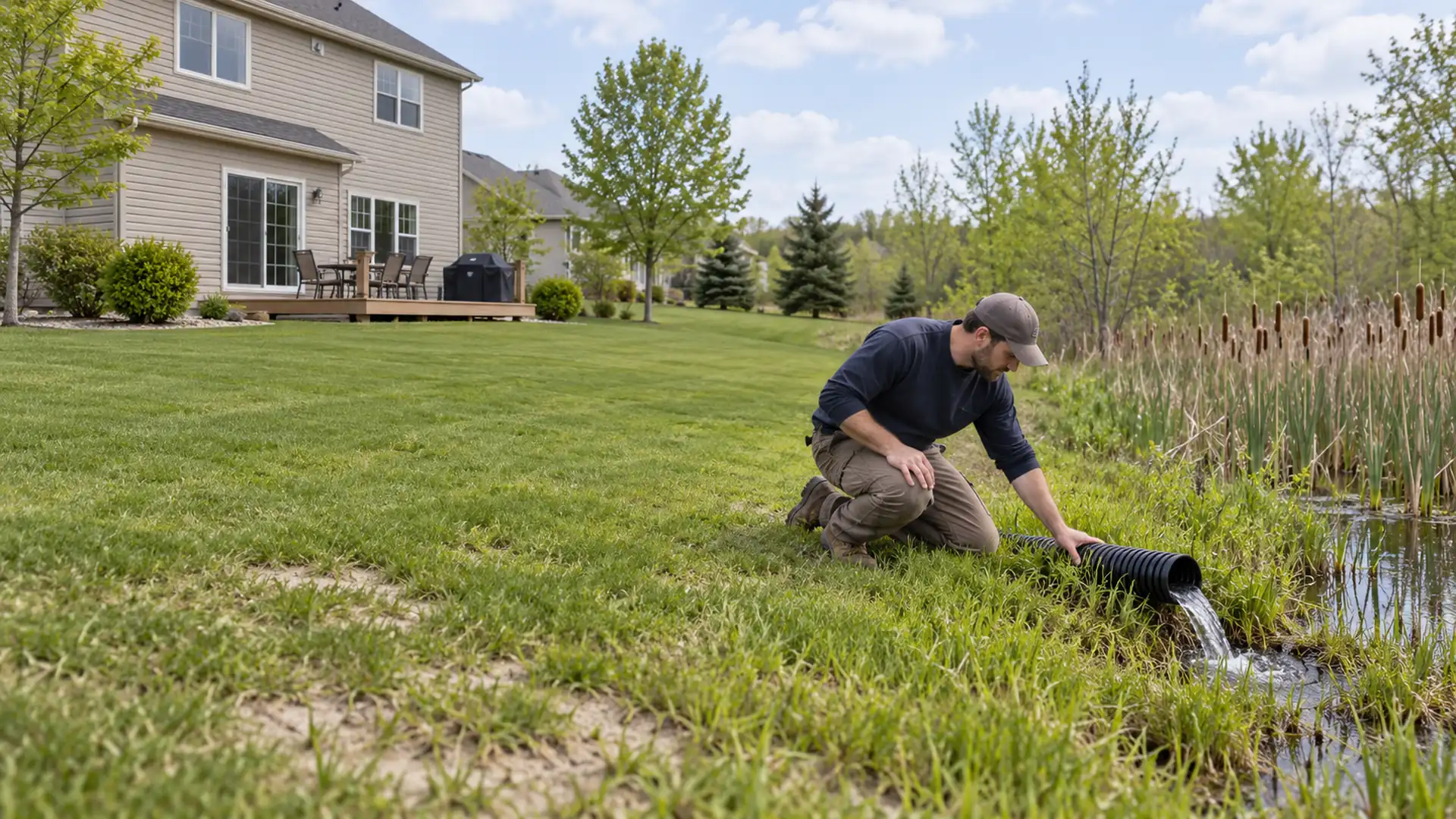
A sump that starts throughout a dry week is a familiar call from Blaine’s low sandy lots. Groundwater near wetlands keeps feeding the basin even after rain stops. We check the incoming flow, the pump, and the outside outlet before recommending the fix.
Call (612) 457-0860During a dry week, the pump keeps starting while the yard looks dry. Low sandy ground near wetlands keeps groundwater close to the basin. We separate steady inflow from water returning through the outlet.
The basin climbs during an outage, and the main pump stays silent. Shallow groundwater in low areas keeps entering while the power is off. A tested battery backup gives that incoming water another pumping route.
The basement gets wet in a home built from the 1970s onward. Sandy ground still brings water toward foundation openings and the floor edge. We connect the leaking point or collection gap to the repair it needs.
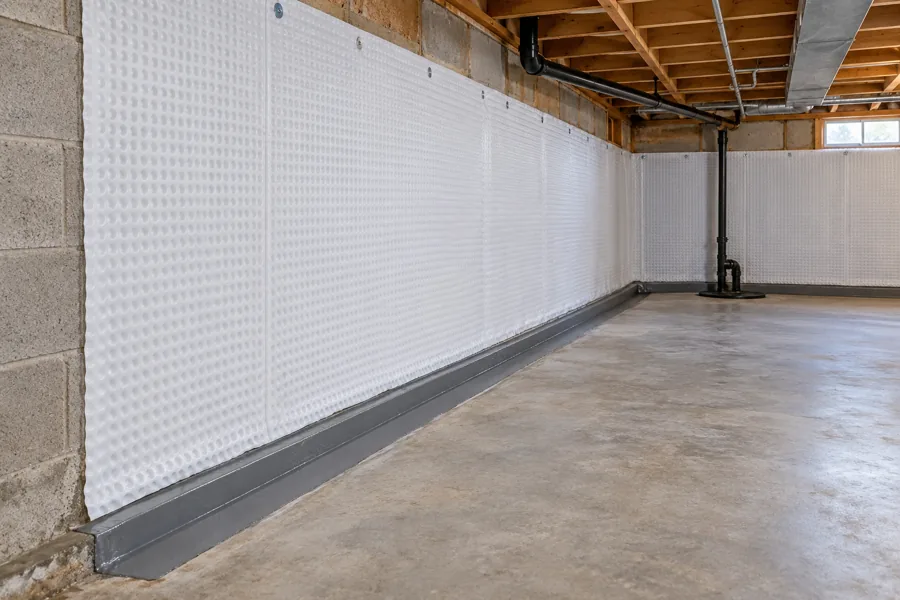
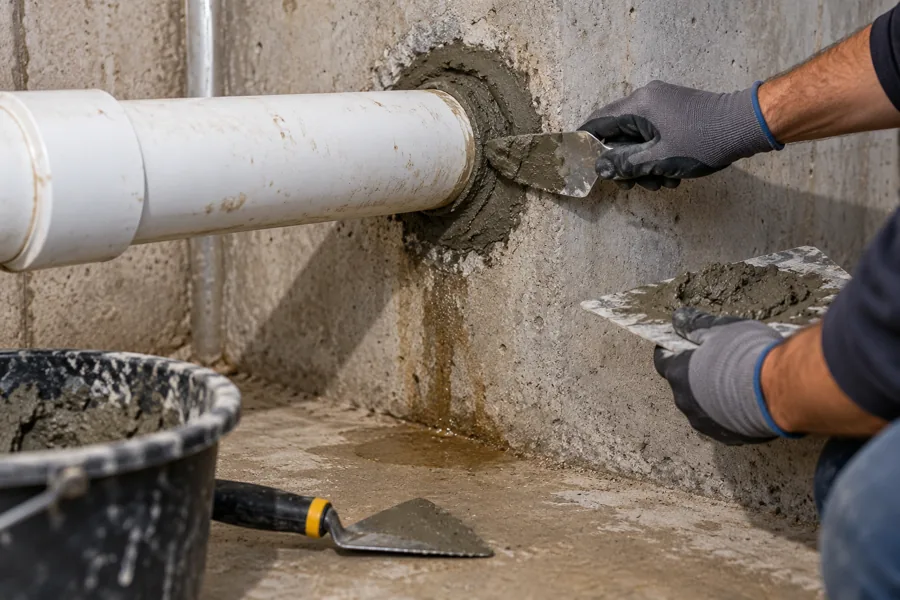
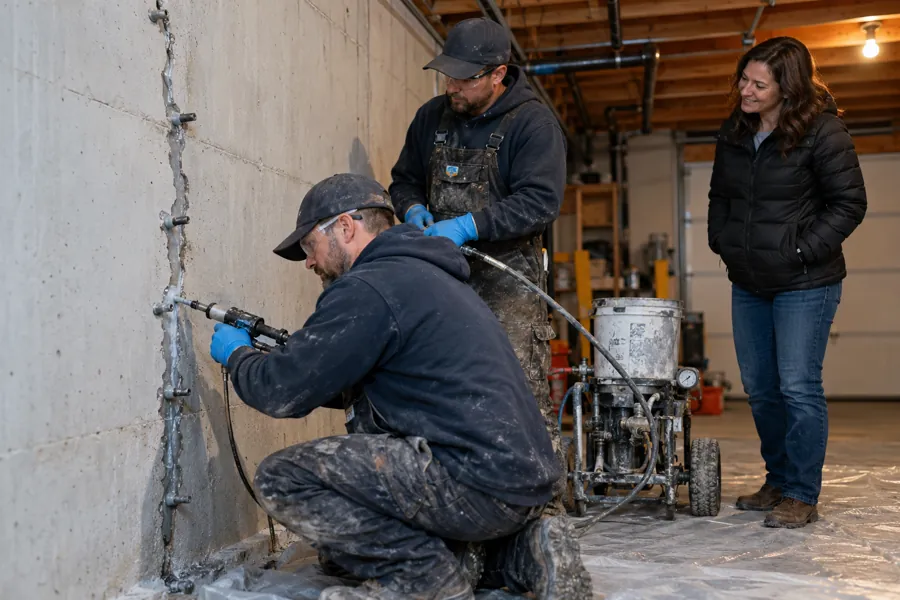
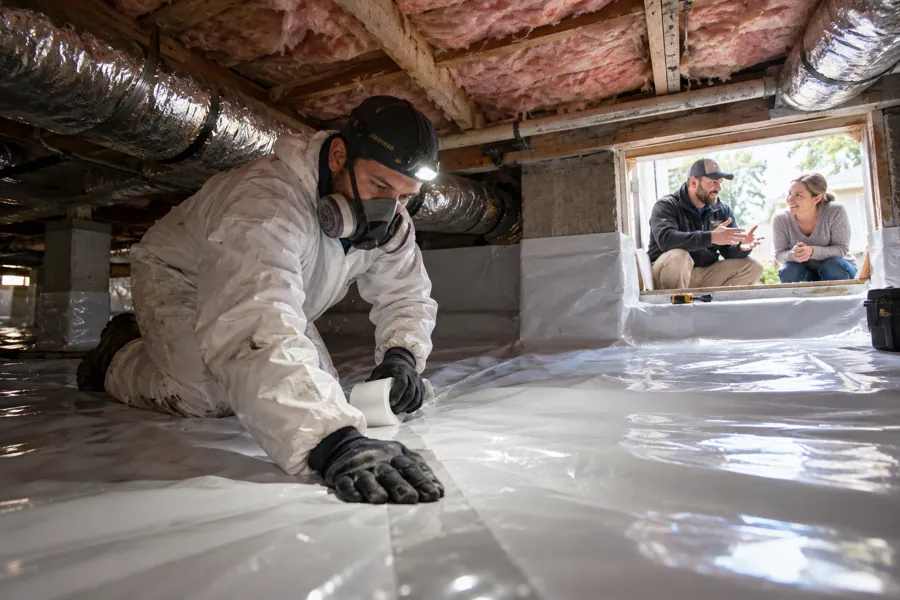
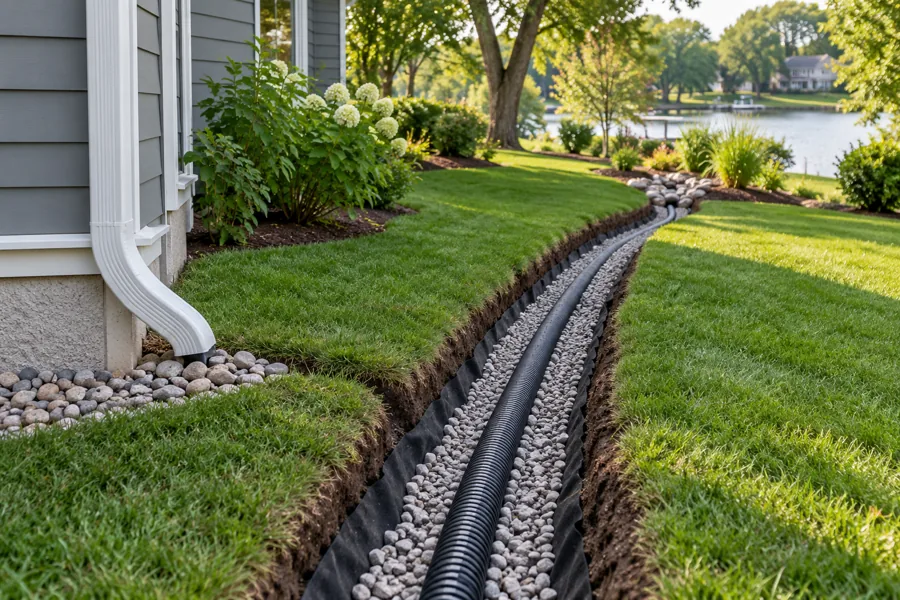
The Anoka Sand Plain lets water move quickly through flat, sandy ground. In low areas near wetlands, groundwater sits close to the surface. A basin fills again after each cycle because that water keeps arriving. We compare incoming flow with any discharge returning toward the house.
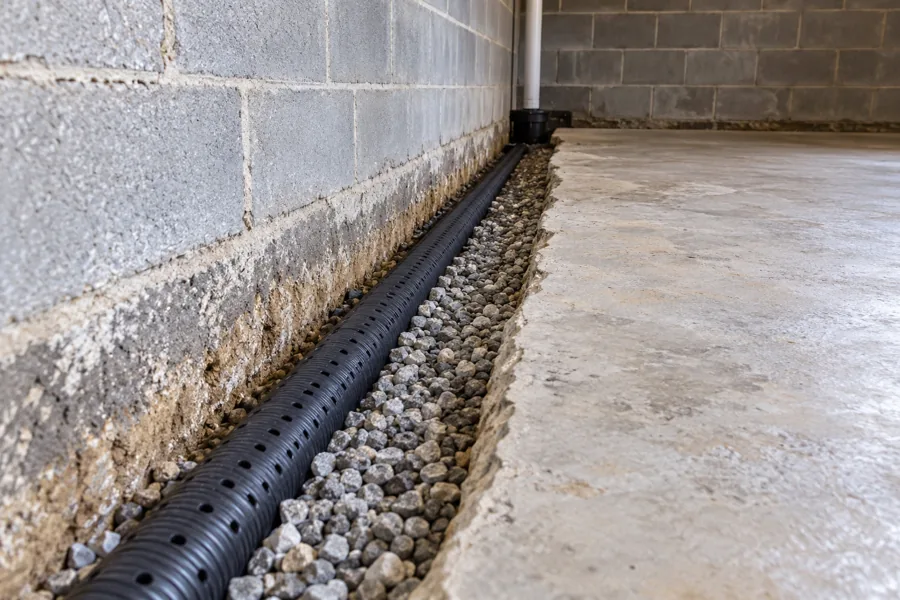
When floor edges also get wet, wet basement repair in Blaine needs more than a motor swap. Water along the seam must reach a collection pipe before the pump will move it. A blocked connection strands that seepage outside the basin. We open the affected route instead of asking a larger motor to collect unreachable water.
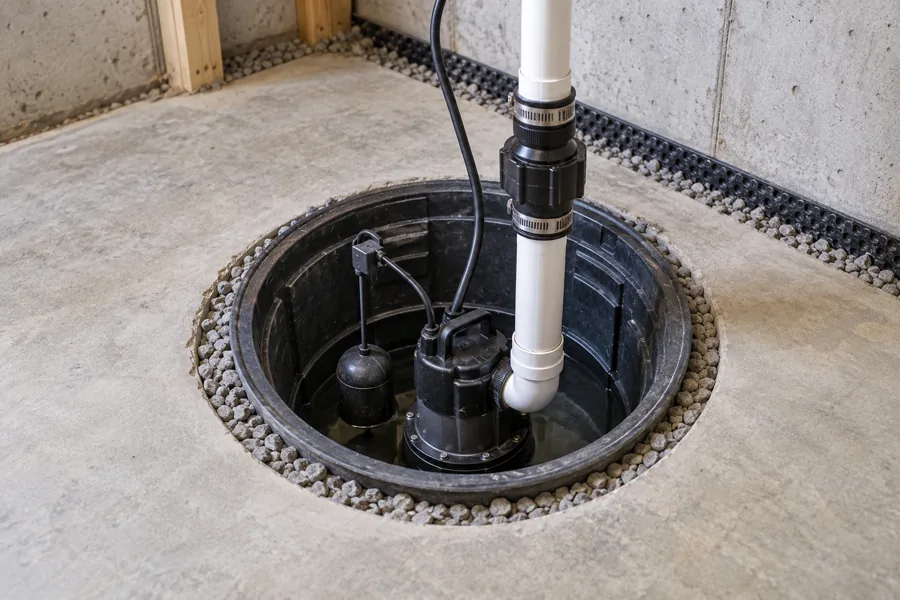
A tangled float tether is one reason homeowners call for sump pump repair in Blaine. The switch sticks while an otherwise working motor stays idle. Grit at the intake or a faulty check valve creates a different failure. We clear the tether, inspect the screen, and run water through the discharge.
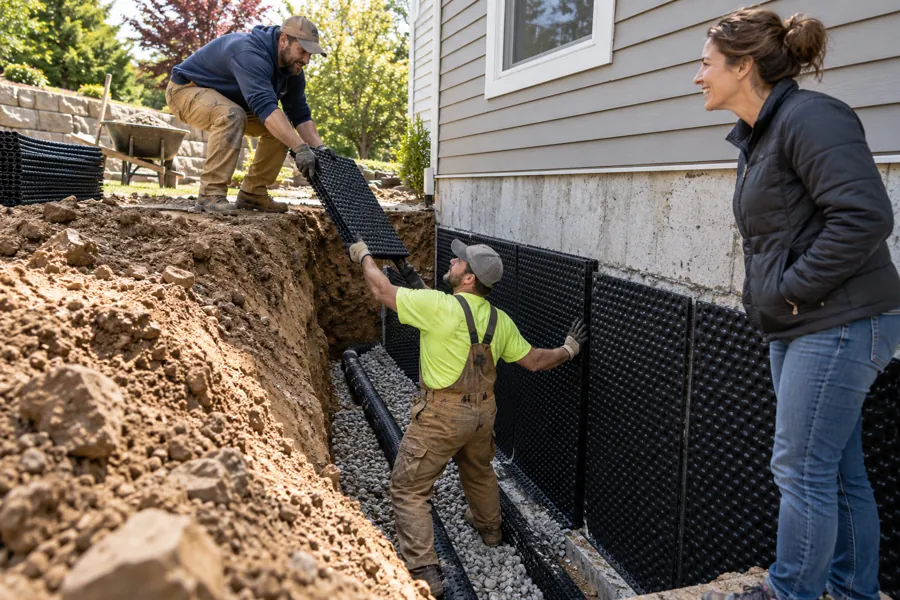
Drain tile carries groundwater from the wall edge into the basin. A battery backup then provides pumping when the main unit or household power fails. Both need an open outside outlet that sends water away from the foundation. Sump pumps should not discharge into the sanitary sewer anywhere in the metro.
Many homes here date from the 1970s onward and still face water beneath the floor. A replaced pump does not repair a blocked collection connection beside it. Finished panels hide the first damp edge until water reaches the flooring. Photos showing that first edge help us keep the opening work focused.
For a defined wall opening, foundation crack repair in Blaine seals the leaking line. Water arriving beneath several floor edges needs collection rather than isolated wall patches. We explain the crack, drain, and pump work separately in the written price. That keeps an active basin problem from being left behind after a wall repair.
Before a winter freeze, check the exposed discharge outlet serving a basin that already runs between storms.
During the late March–April thaw, watch low ground for water returning toward the sump outlet.
After summer storms, compare incoming basin flow with the water leaving the discharge pipe.
In fall, clear leaves from the discharge opening before yard debris hides the outlet beside low ground.
| Service | Typical Range | What Changes the Price |
|---|---|---|
| Sump pump installation | $1,200–$2,500 | New basin vs. replacement, discharge line work |
| Battery backup sump pump | $800–$1,800 | Pump capacity, battery type |
| Interior drain tile | $70–$120 per linear foot | Floor removal, finished walls, number of walls |
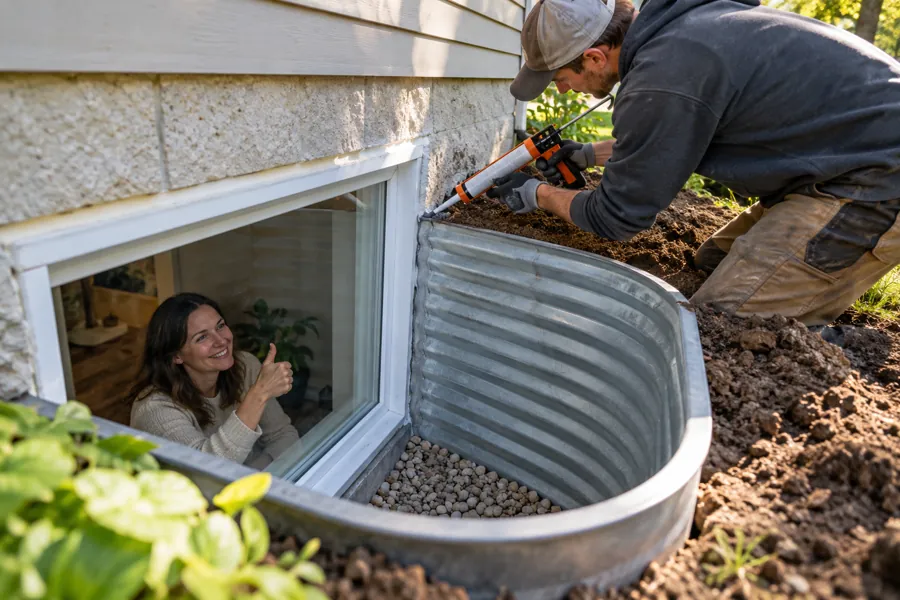
| Window well drain and cover | $400–$2,000 | Drain tie-in, well size, cover type |
Groundwater in sandy low areas keeps entering some basins between rainstorms. We compare that incoming flow with water dropping back after each pump cycle. A leaking check valve or returning outside discharge creates a different pattern. Tell us whether the level rises steadily or jumps immediately after shutoff so we start with the right part.
On sandy low lots, a second pump helps when incoming water outpaces the first unit. We compare that flow with pumping capacity at your discharge height. The basin needs room for both floats to travel without catching cords. A backup also needs an open outlet, so the discharge route gets tested with the pumps.
The main pump stops when its power supply fails while groundwater keeps entering. A battery backup takes over through its own switch and sounds an alarm. We test that setup with the main pump unavailable before relying on it. The outside discharge still needs to stay open because both pumps depend on a usable exit.
Homes built from the 1970s onward still sit beside sandy ground and shallow groundwater in low areas. A stuck float or blocked drain leaves water inside despite the newer construction. We test those connections and inspect the first wet opening. The repair then handles the failed part rather than leaving water beneath finished flooring.
Floor cracks and the cove joint bring water inside during spring.
Frozen discharge lines and aging pumps are common reasons for a call.
A basin that hums, short-cycles, or stays full needs its pump and discharge tested together.
Perimeter collection brings water from wet floor edges into the sump instead of leaving it outside the basin.
A pipe gap or local wall opening needs sealing that follows the first wet mark.
Describe the sound, water level, and timing when you call. We will discuss the next step for tracing the basin and discharge route. The written plan explains the parts, collection work, and price before installation begins.
Minneapolis PureSeal
Minneapolis and surrounding area
contact@waterproofingminneapolis.comMonday through Friday, 8:00 AM to 5:00 PM
Emergency calls: available 24/7