Powder returns through paint
White deposits reappear where moisture leaves a block wall. Many local basements have block and mortar surfaces from the 1950s and 1960s. We trace the wet joints before proposing another wall finish.
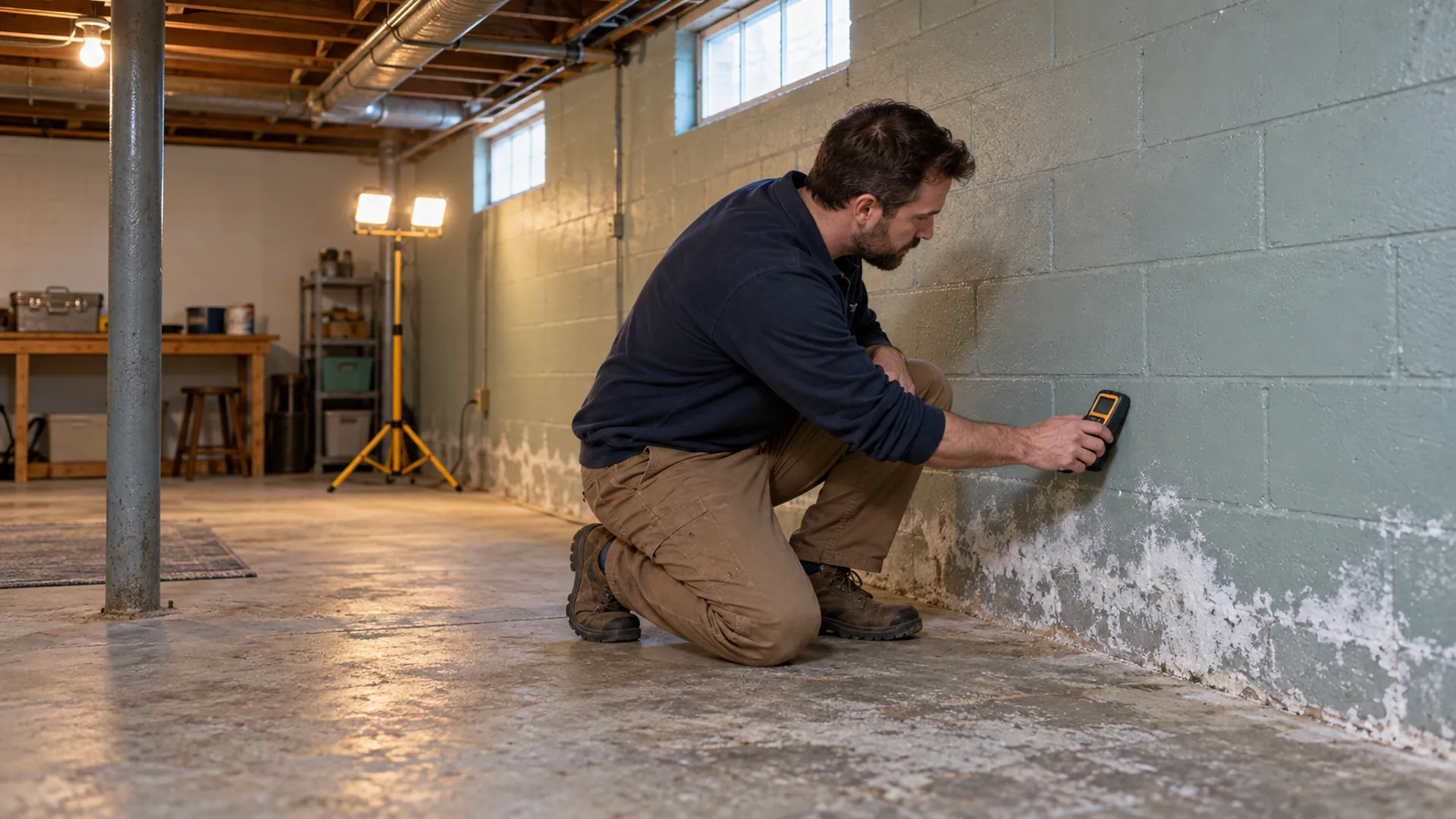
White powder returns at the base of a block wall after the paint dries. Across Brooklyn Center, damp masonry and musty rooms bring the wall cores into the repair discussion. We connect the moisture route to sealing or collection instead of covering the stain again.
Call (612) 457-0860White deposits reappear where moisture leaves a block wall. Many local basements have block and mortar surfaces from the 1950s and 1960s. We trace the wet joints before proposing another wall finish.
The room smells damp even when the floor looks dry. Moisture moving through block joints reaches the indoor air before obvious pooling. The repair follows damp masonry rather than relying on a dry-floor glance.
The lower wall gets wet while the upper paint stays dry. Hollow block cores carry water behind that visible surface. We connect the lower wall route to collection and a working basin.
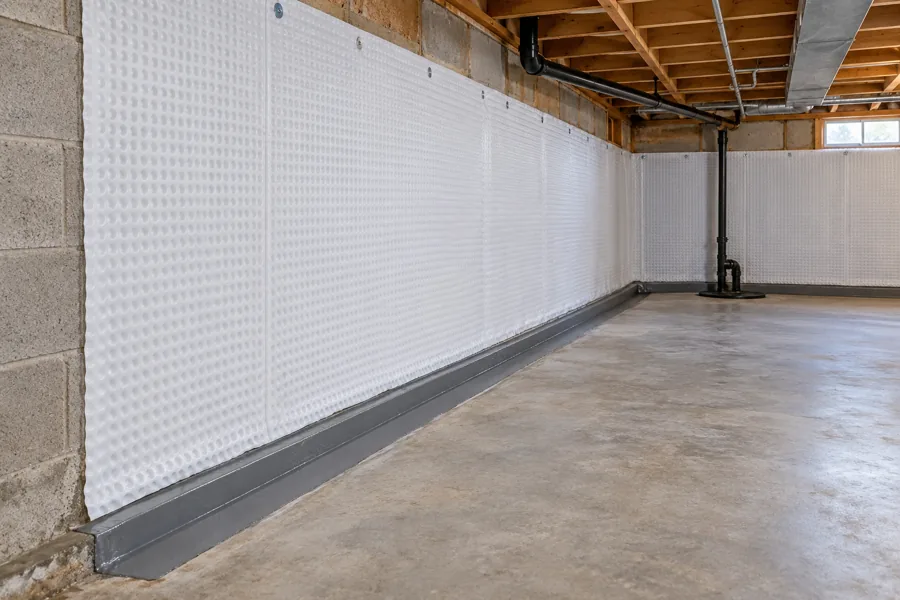
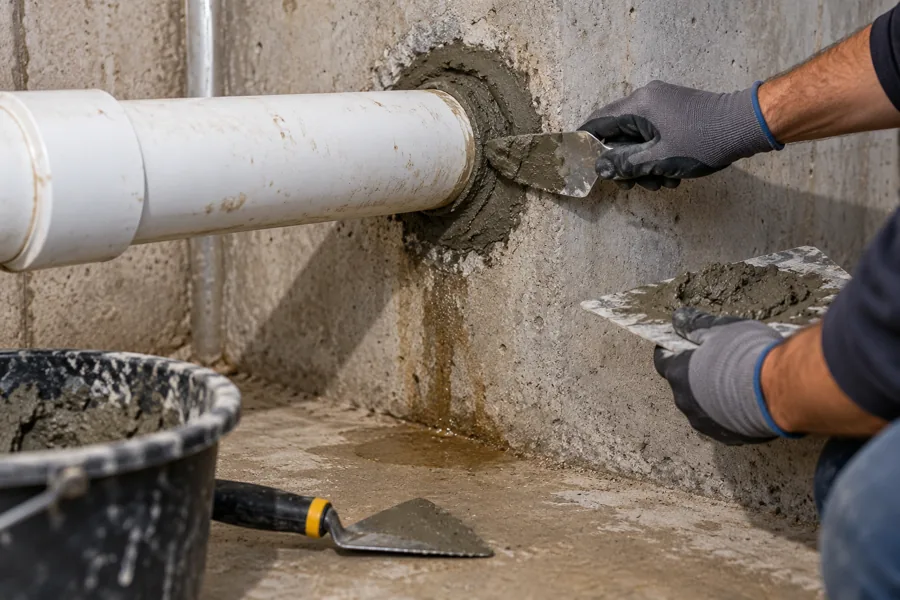
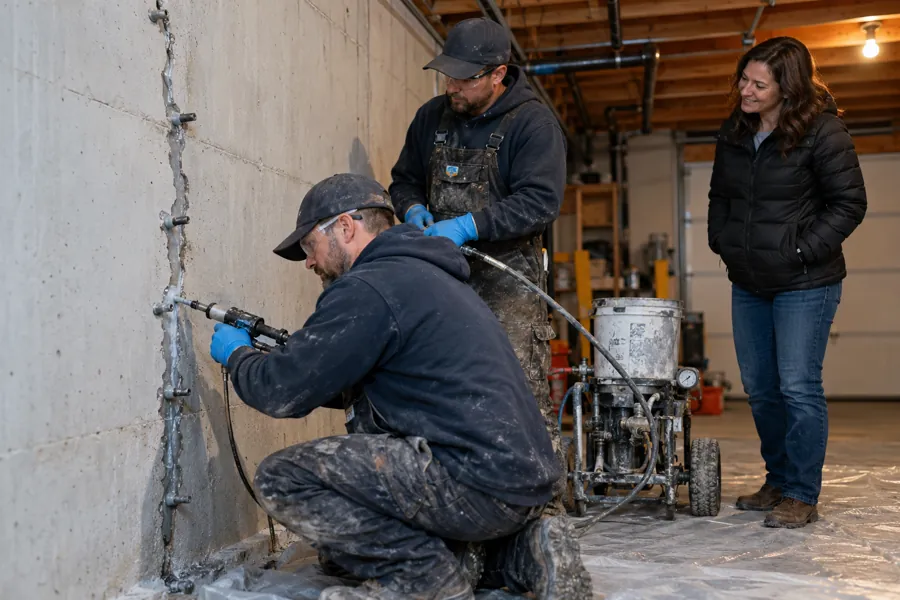
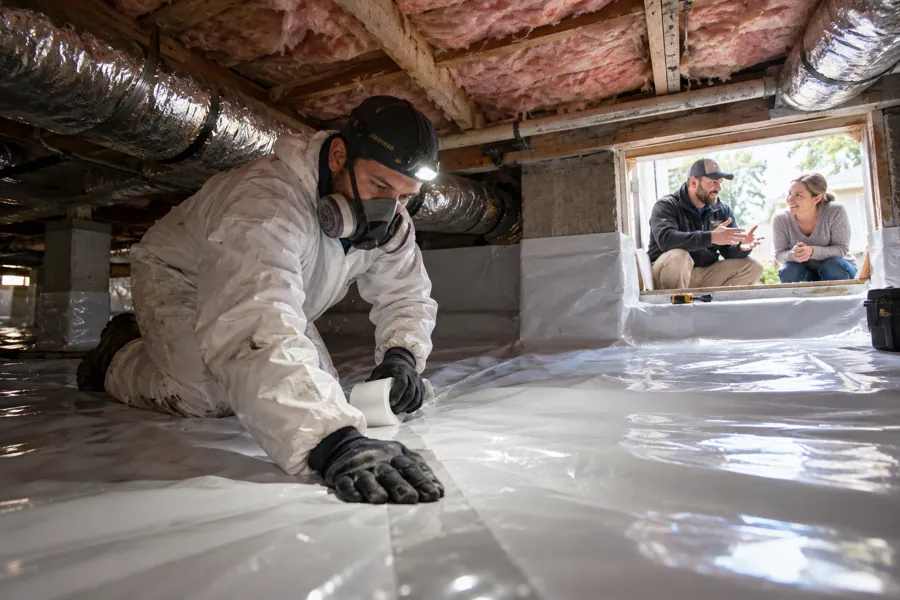
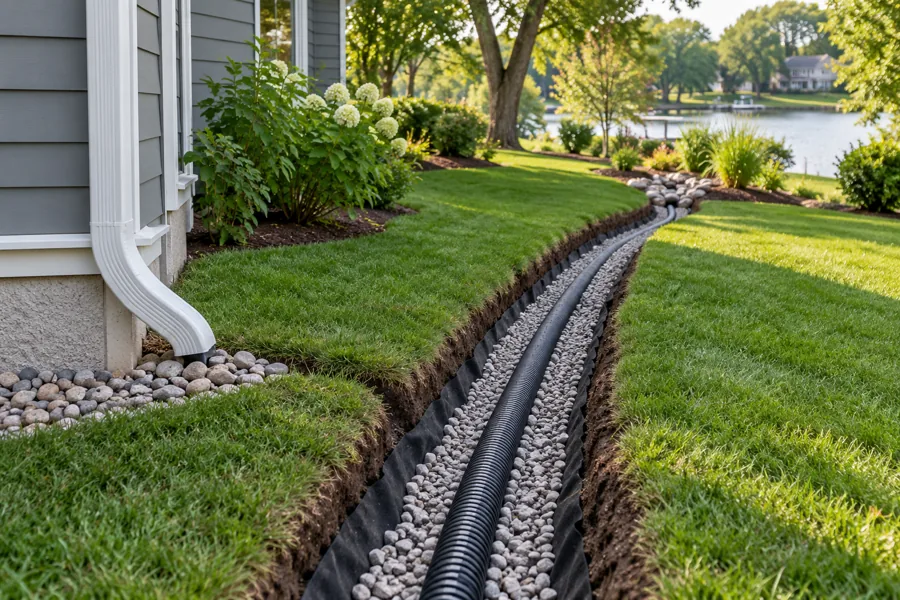
Shingle Creek and the Mississippi River are nearby, with sandy soil around local foundations. Many block-wall basements hold moisture in joints and internal spaces before it reaches the room. White deposits show where that water evaporated and left minerals behind. We examine the wet path above the mark before selecting a wall treatment.
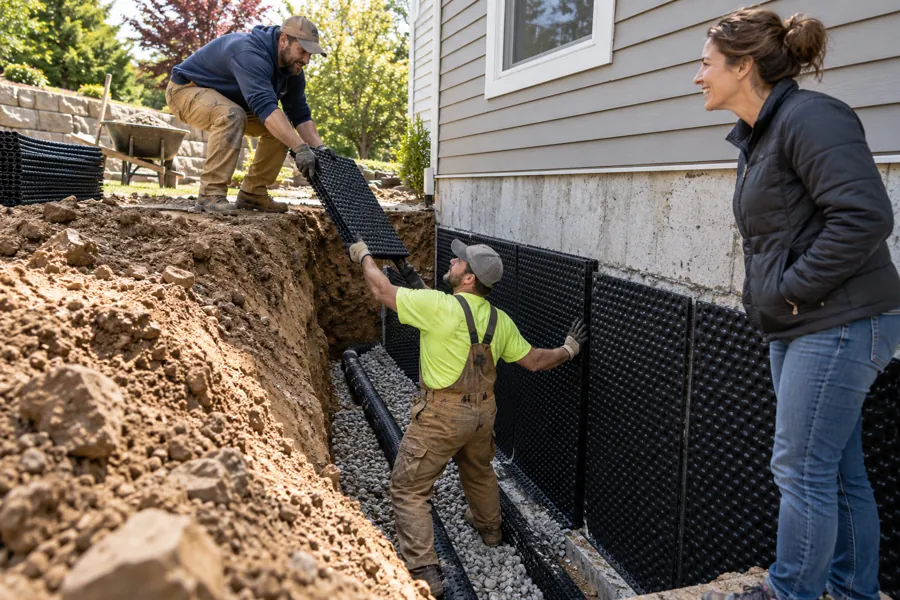
For returning wall moisture, wet basement repair in Brooklyn Center needs more than fresh sealing paint. A coating covers the surface without collecting water inside hollow blocks. We explain the joint work and lower drainage edge together. That gives moisture a planned route instead of leaving it behind another coat.
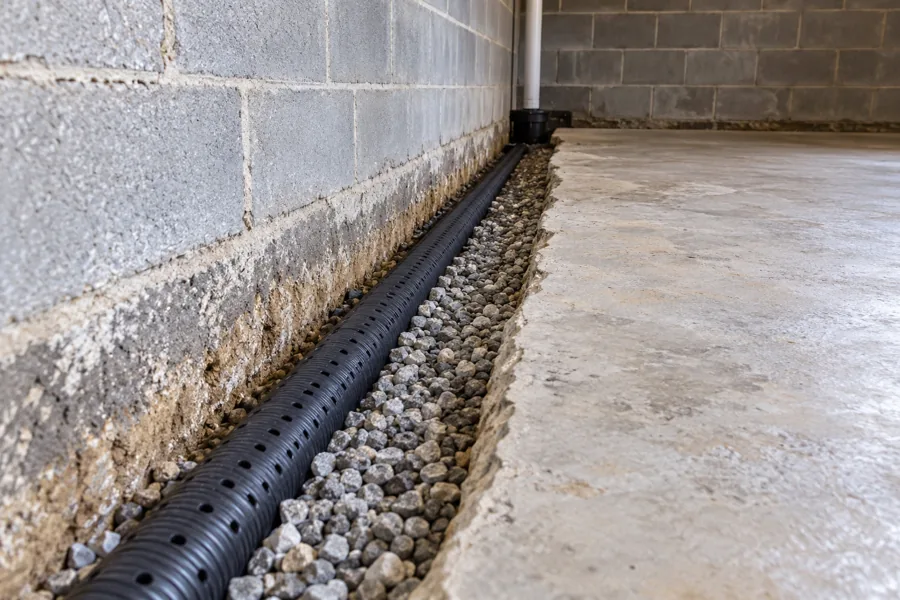
Water inside hollow cores needs a connection to the perimeter collector below. The receiving drain then carries it toward a sump with an open discharge. We inspect those connections before installing a membrane across a wet wall. Block wall leaks need attention to both the mortar opening and water inside hollow cores. Efflorescence leaves mineral deposits where moisture passes through masonry and dries on the surface.
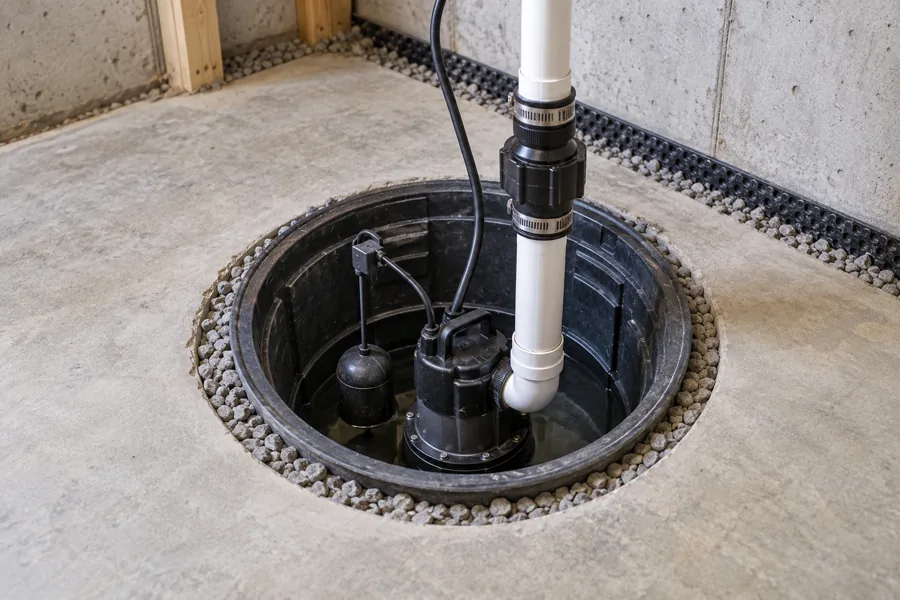
If the basin cannot empty, sump pump repair in Brooklyn Center restores the outlet before wall collection relies on it. A stuck float and a blocked pipe require different work. We test each while the water level changes through a full cycle. Pumped groundwater goes outside to an approved outlet, never into the sanitary sewer.
Many homes here date from the 1950s and 1960s, with block-wall basements. Mortar joints divide the wall into paths that differ from one poured-concrete opening. Damp paint sometimes hides loose material along those lower joints. Photos taken before cleaning help preserve the trail across that older masonry.
With a defined opening, foundation crack repair in Brooklyn Center follows the actual wall material. A stair-step joint is not automatically the same injection job as a poured wall crack. We explain mortar sealing and drainage where those routes meet. A horizontal opening or bowing goes to structural review before leak sealing starts.
During winter, leave damp block joints visible rather than repainting before the moisture route has been traced.
At late March–April thaw, photograph returning deposits and any water emerging from the lower block course.
After summer storms, compare the musty area with damp joints and the level in the sump basin.
In fall, move boxes off the lower wall so peeling paint and fresh mineral marks remain visible.
| Service | Typical Range | What Changes the Price |
|---|---|---|
| Sump pump installation | $1,200–$2,500 | New basin vs. replacement, discharge line work |
| Battery backup sump pump | $800–$1,800 | Pump capacity, battery type |
| Interior drain tile | $70–$120 per linear foot | Floor removal, finished walls, number of walls |
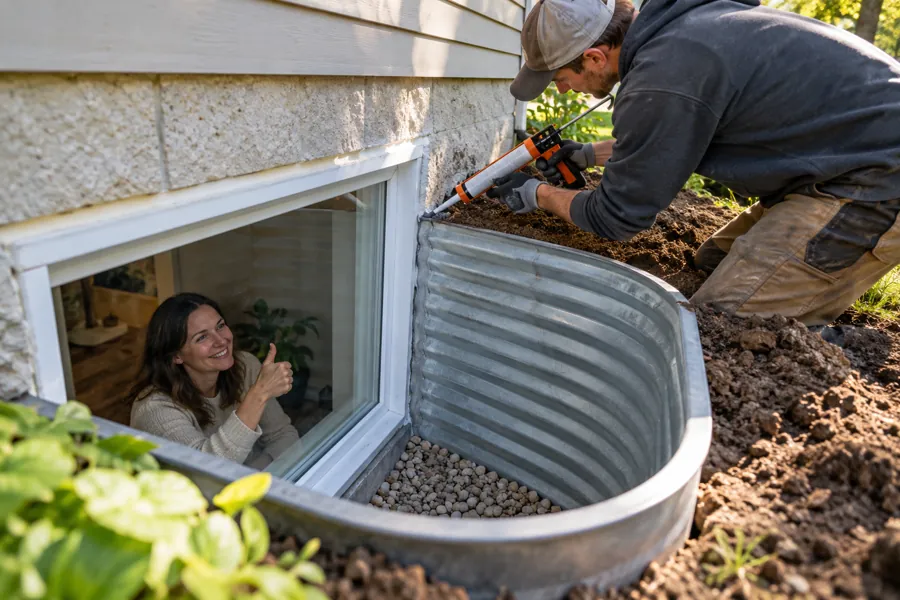
| Window well drain and cover | $400–$2,000 | Drain tie-in, well size, cover type |
White powder is a mineral deposit left as moisture dries out of masonry. We compare those deposits with damp mortar and lifting paint nearby. The useful next step is finding the water route rather than applying another finish. Photograph the pattern before cleaning so the visit follows the same joints that became wet.
A surface coating does not drain the spaces inside a hollow block wall. Water reaching those cores still needs a connection into collection at the lower edge. We inspect the wet joints and the receiving drain before choosing the treatment. The written plan explains where that water will leave after the wall is covered.
Damp masonry releases moisture before enough water gathers to form an obvious puddle. We look behind loose storage and along lower block joints for that trail. Pump behavior and the collection route add clues about where the water remains. A dry-looking floor alone does not remove the need to follow the damp wall.
The lower wall needs a connection into a collector that reaches the basin. We inspect that edge before covering the masonry with a membrane or repairing joints. An open pipe beneath the slab needs the wall water to reach it. Ask us to show how the cores connect to the drain and outside discharge.
A running sump sometimes leaves floor edges wet when snowmelt overwhelms collection.
Outside ice and older pumping equipment interrupt the route out of the basement.
Pump testing confirms that collected wall water has a working route outside.
A perimeter collector receives seepage from the wall edge and hollow cores.
Local opening repairs handle a pipe gap that remains separate from broad damp masonry.
Describe the returning powder, damp joints, or smell before repainting the wall. We will discuss the lower collection route alongside any local sealing. The written price shows how wall moisture reaches a working outlet.
Minneapolis PureSeal
Minneapolis and surrounding area
contact@waterproofingminneapolis.comMonday through Friday, 8:00 AM to 5:00 PM
Emergency calls: available 24/7