A wet wall behind the walkout
The back basement wall darkens while the open side remains dry. A wooded slope brings runoff against the buried surface. We inspect the wall and collection edge together before choosing a membrane or drain.
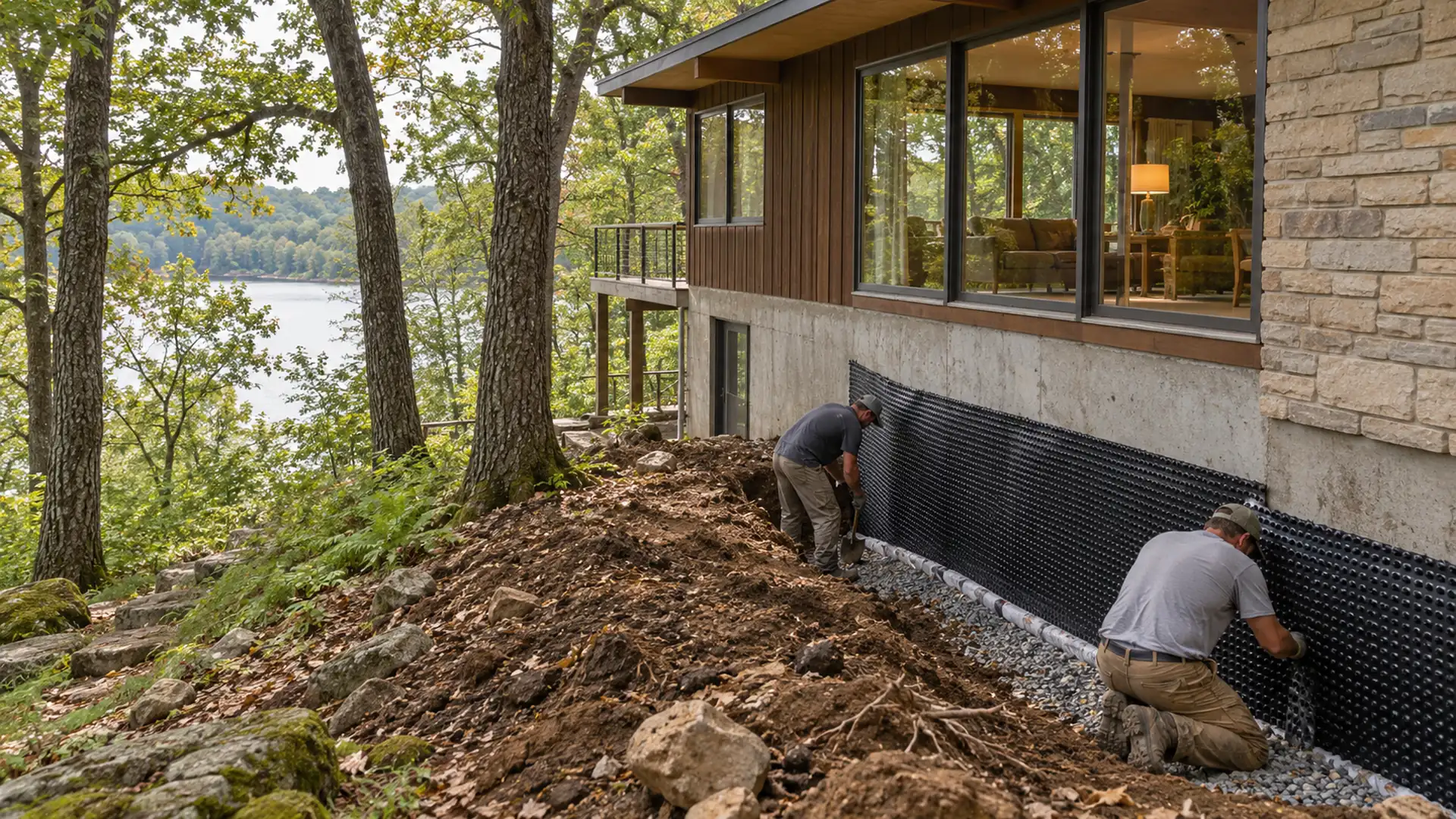
Runoff from a wooded slope reaches the back wall before the walkout side looks wet. Minnetonka’s clay-rich ground and hillside homes put that buried wall under water pressure. We connect the slope, wall opening, and drainage outlet before choosing indoor or exterior work.
Call (612) 457-0860The back basement wall darkens while the open side remains dry. A wooded slope brings runoff against the buried surface. We inspect the wall and collection edge together before choosing a membrane or drain.
Water stays beside the foundation after the slope clears. Trees on wooded lots put roots near existing drainage routes. The accessible collector gets inspected for blockage before replacement is proposed.
A leaking wall sits behind planting, trees, and narrow outdoor access. Hillside homes leave less room for equipment beside that foundation. We compare exterior digging with an indoor collection route that reaches the same wet edge.
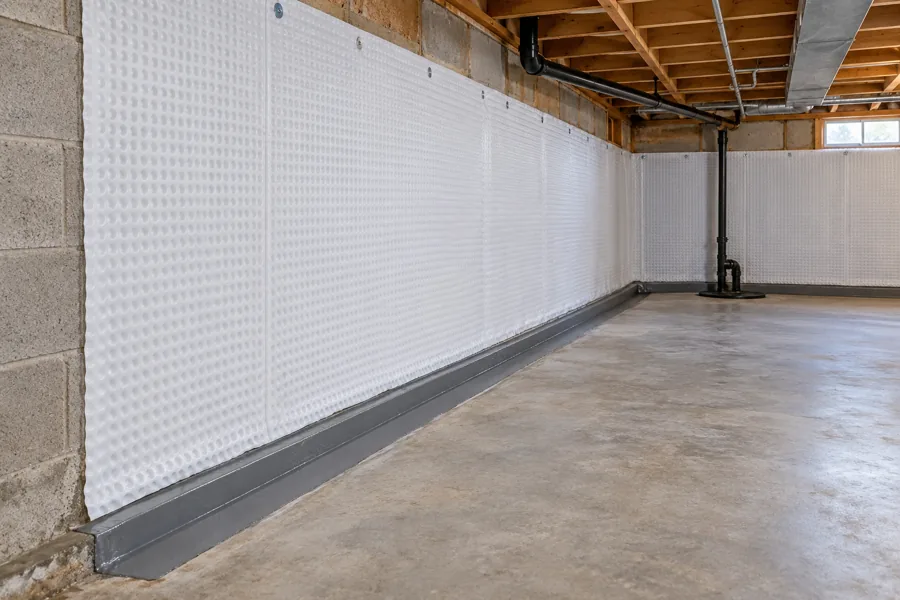
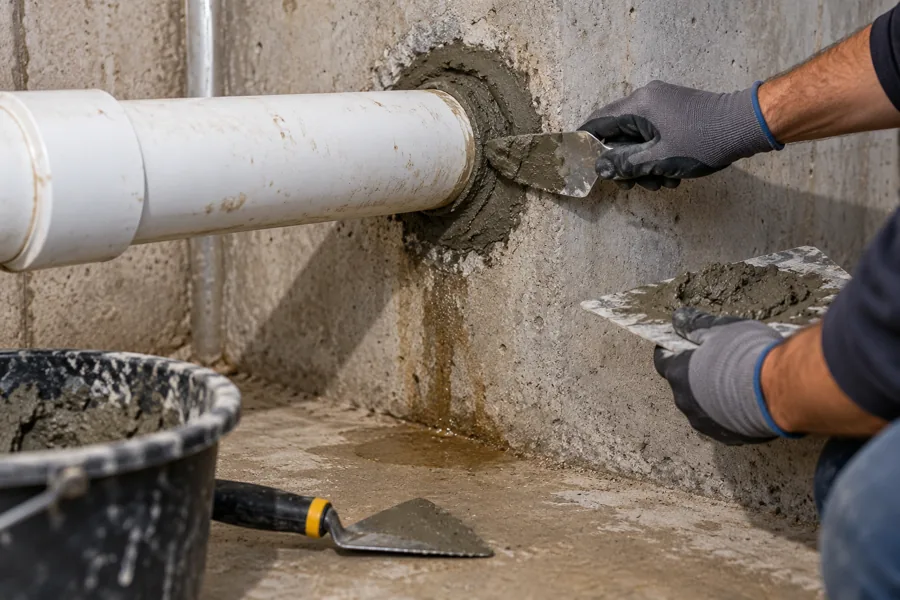
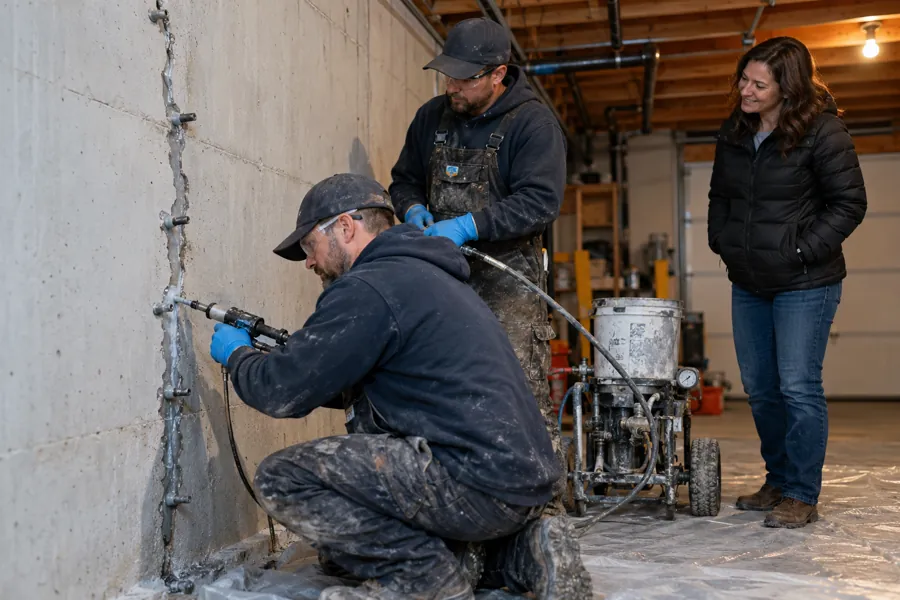
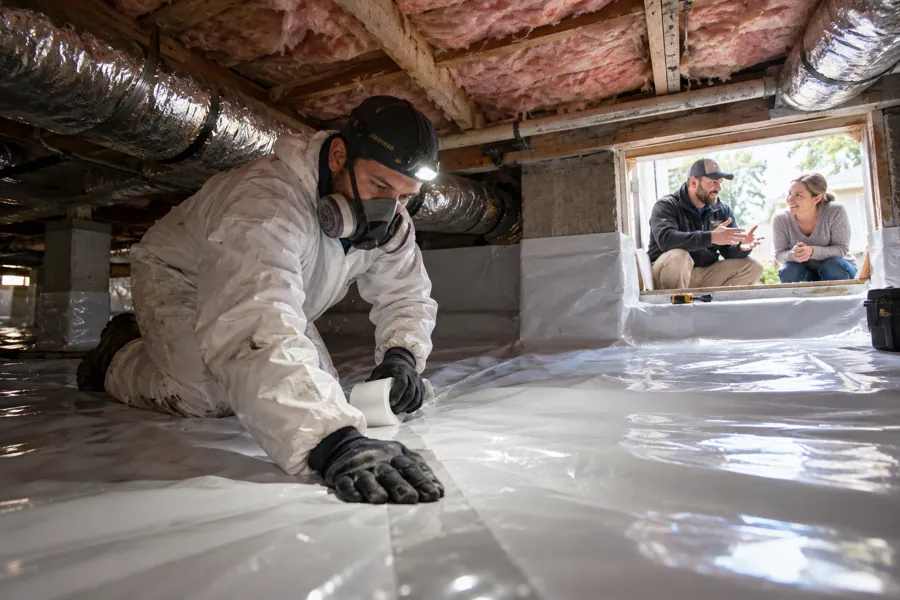
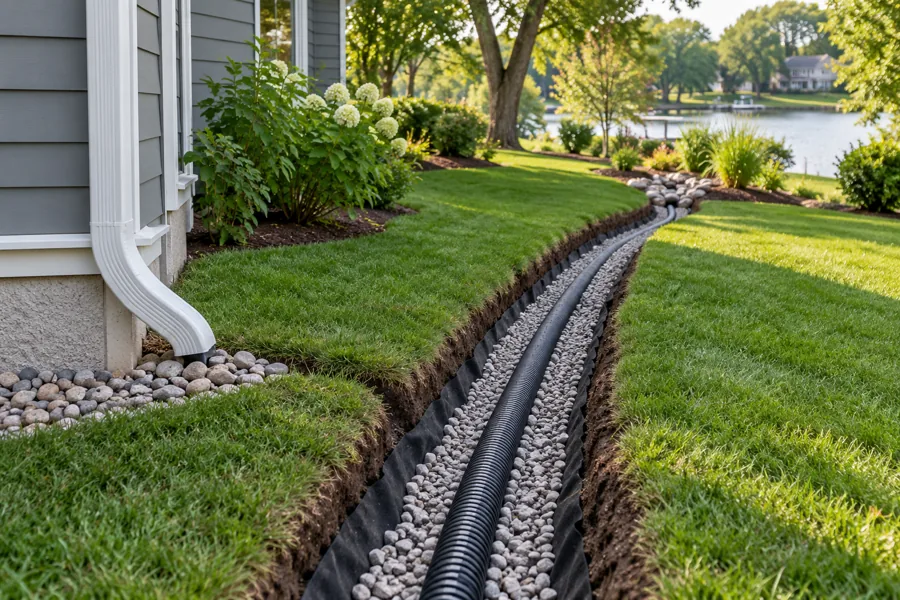
Lake Minnetonka at Gray’s Bay and Purgatory Creek belong to the local water landscape. Minnehaha Creek begins here, with wooded slopes above many buried wall sections. Clay-rich glacial soil keeps runoff beside those walls when drainage has no clear exit. The downhill view alone does not show the water gathering behind the house.
For a wet back room, wet basement repair in Minnetonka connects the slope above it to the foundation below. We inspect downspouts and the collector along that buried surface. A blocked outlet leaves a membrane facing water that still has nowhere to leave. The plan names the collection destination alongside the wall work.
A defined concrete line brings foundation crack repair in Minnetonka into the discussion before a whole-wall treatment. Resin seals the opening after preparation along its exposed length. Broader water across masonry needs a collection or membrane plan of its own. We explain which wet trail each part of the repair will handle.
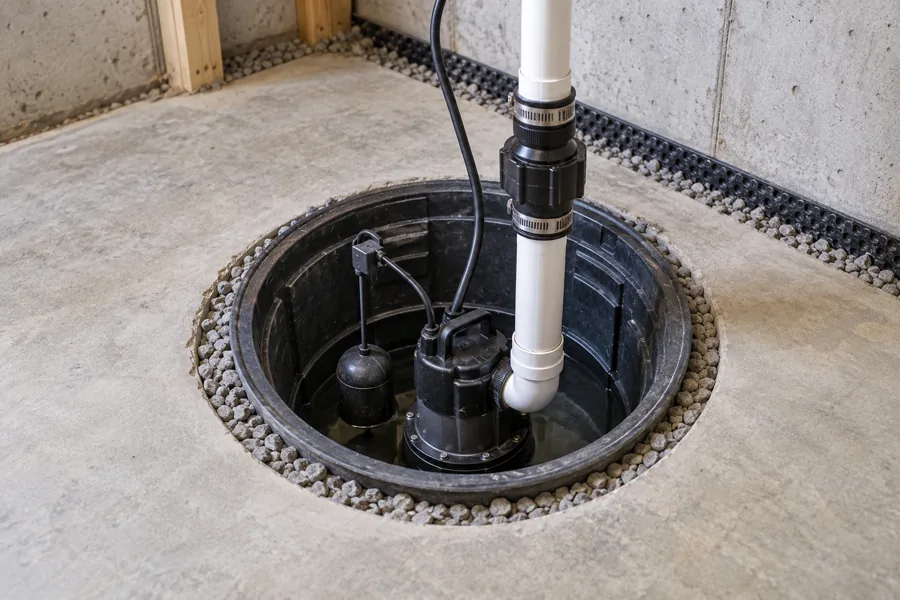
When the collector reaches a full basin, sump pump repair in Minnetonka restores that route outside. The switch, intake, valve, and discharge each need to pass water through a complete cycle. More drainage pipe depends on that working exit. Wall bowing or a horizontal crack needs structural review before sealing is chosen.
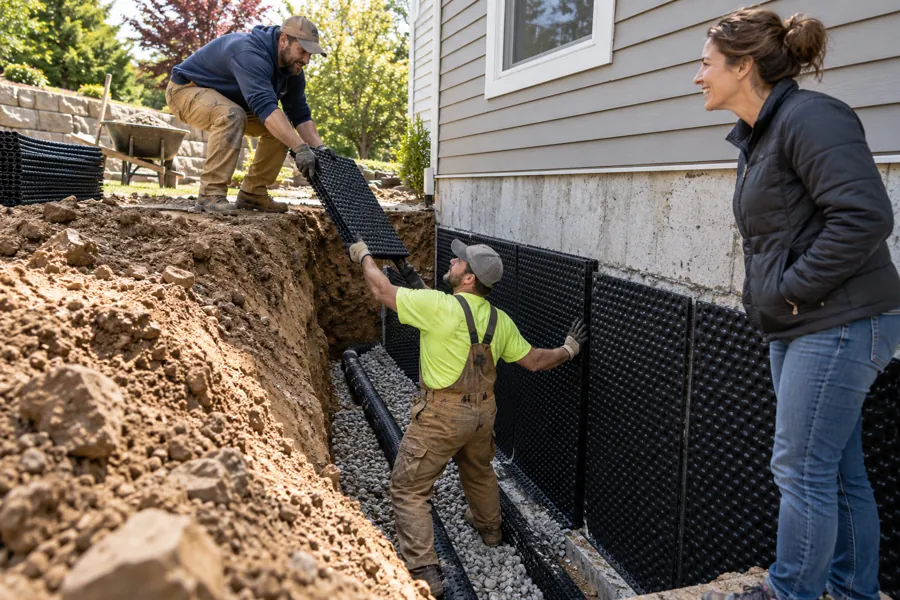
Leaves, roots, and limited equipment room change how a drain is reached outdoors. We inspect accessible pipe before assuming the full buried route needs replacement. The written work plan also explains how digging and restoration fit the available side yard. Walkout wall leaks need the uphill runoff route checked alongside the opening indoors. Exterior waterproofing places a membrane against the prepared soil-facing wall after excavation provides access. Slope drainage moves runoff away from the wall before it adds pressure beside the foundation.
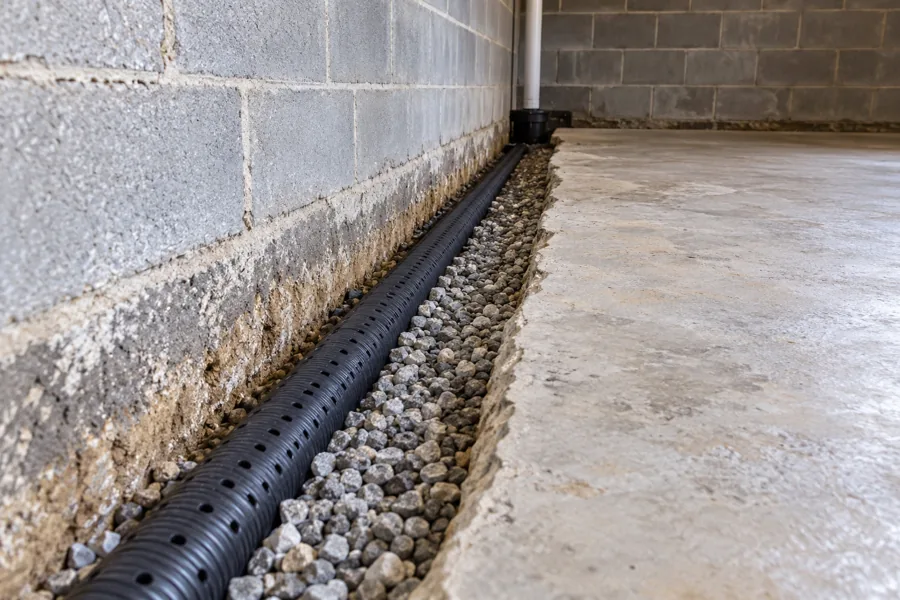
Interior drain tile collects water below the floor when outdoor access is restricted. Neither option removes the need for an outlet that stays open. We compare that destination and the room finishes before describing the work and price.
In winter, keep photos of the buried wall’s wet marks before an interior patch hides the leaking line.
During late March–April thaw, watch the wooded slope for runoff gathering against the back foundation wall.
After summer storms, follow roof discharge across the upper ground before it reaches the basement side.
In fall, clear loose leaves from accessible outlets and photograph trees beside the buried drainage route.
| Service | Typical Range | What Changes the Price |
|---|---|---|
| Foundation crack injection | $400–$1,000 per crack | Crack length, wall type, access |
| Exterior excavation waterproofing | $15,000–$35,000+ | Depth, landscaping, decks or driveways in the way |
| Interior drain tile | $70–$120 per linear foot | Floor removal, finished walls, number of walls |
| Window well drain and cover | $400–$2,000 | Drain tie-in, well size, cover type |
The back wall remains buried against the slope even when another side opens outdoors. Runoff and water pressure collect against that soil-facing surface. We compare the wet mark with the upper yard, downspouts, and existing drain outlet. That shows whether sealing, outside treatment, or indoor collection fits the route into the room.
The water needs a route past the foundation rather than into a pocket beside it. We follow the upper ground and roof outlets before proposing a collector. Leaves and roots also affect access to an existing drain. Photos during rain help show the route while the slope is carrying water toward the wall.
Roots near the route call for a closer look at the accessible collector. We compare blockage or broken sections with the walls that remain wet. One reachable restriction differs from repeated failures along the entire buried line. The plan describes what gets cleaned or replaced and how the remaining pipe will carry collected water.
Equipment, soil storage, and the exposed wall all need room beside the house. We review trees, steps, and decks before explaining that excavation access. An indoor collector offers another route when the outside surface cannot be reached practically. The price separates access and restoration from the membrane or pipe actually being installed.
Downhill wall cracks and seepage follow runoff across rolling clay-rich lots.
Older finished rooms hide damp joints and wet floor edges behind panels.
A defined concrete opening gets sealing matched to the exposed wall material.
Membrane work treats the buried surface once excavation reaches the slope-side wall.
Yard routes carry upper-slope runoff away before it pools against the foundation.
Tell us which wall stays buried against the slope and what blocks access outdoors. We will discuss runoff and the wet mark inside as one route. The written plan compares the actual opening and restoration needed for the repair.
Minneapolis PureSeal
Minneapolis and surrounding area
contact@waterproofingminneapolis.comMonday through Friday, 8:00 AM to 5:00 PM
Emergency calls: available 24/7